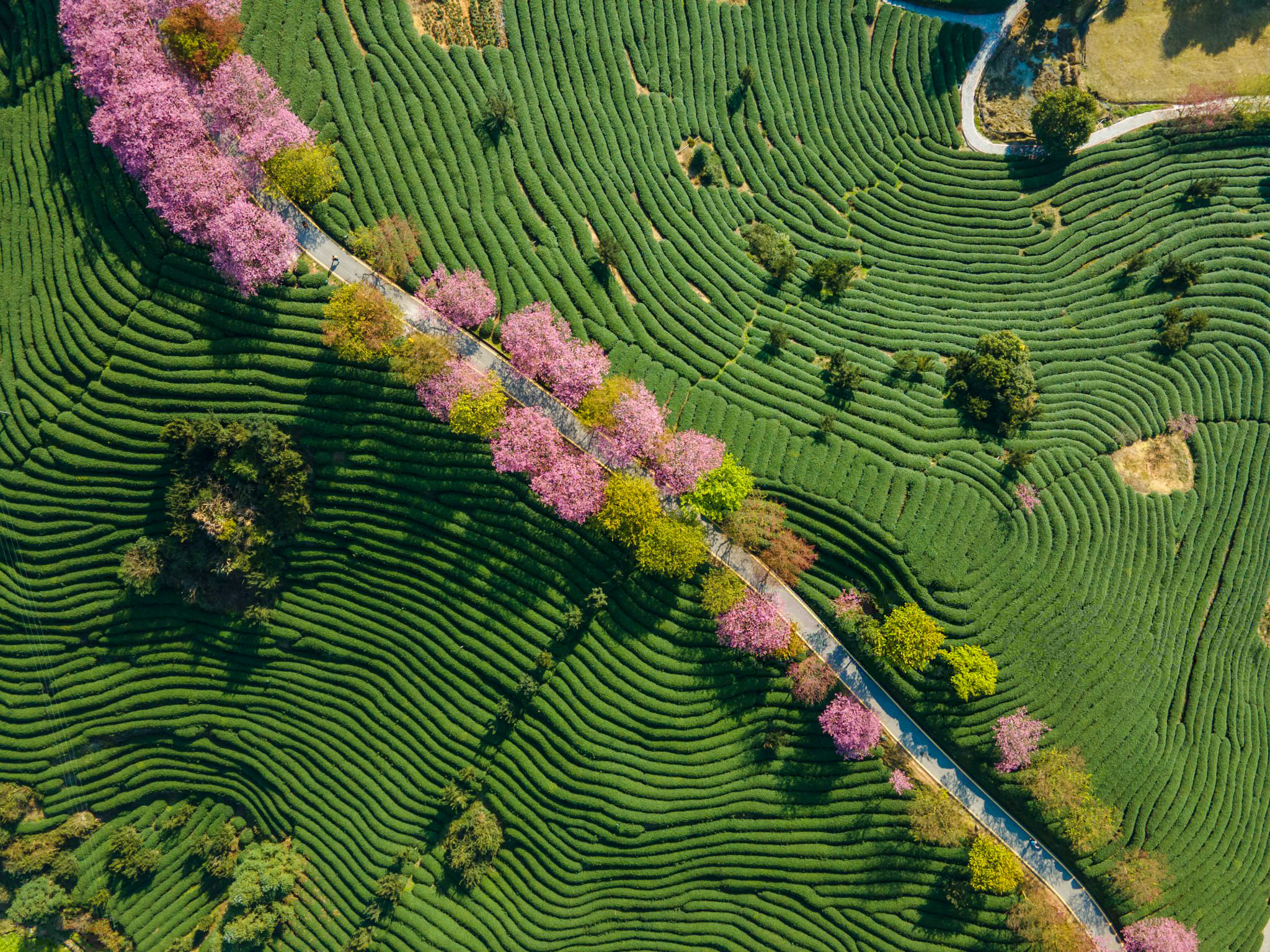


Tourist attractions in South Vietnam bring together fast-paced cities, laid-back islands, and the everyday rhythm of Mekong Delta waterways, creating a region that appeals to many travel styles in a compact area. Southern Vietnam is regarded to be among the country’s most visited regions thanks to improved infrastructure, new cruise ports, and year-round accessibility.
This guide to South Vietnam tourist attractions focuses on the places that define the region today and helps turn that diversity into a clear, well-paced travel plan.
What Makes South Vietnam Unique?
South Vietnam stands out for the way very different travel experiences sit side by side within a relatively compact region. Major urban centres such as Ho Chi Minh City move at a fast, modern pace, while offshore islands offer quiet beaches and protected natural landscapes.
At the same time, the Mekong Delta introduces a slower rhythm shaped by rivers, canals, and agricultural life, where daily activities are closely tied to the water. This contrast allows travelers to shift easily between city exploration, coastal relaxation, and rural discovery without long overland journeys.
What further defines the region is how clearly its destinations align with different travel interests, making trip planning more intuitive. Rather than following a one-size-fits-all route, visitors can organize their journey around personal preferences and available time.
- Cultural and urban experiences are concentrated in cities like Ho Chi Minh City and Can Tho, where museums, colonial-era architecture, temples, and local markets provide insight into both history and contemporary life.
- Nature and outdoor travel is most prominent on islands such as Phu Quoc and Con Dao, where national parks, marine reserves, and coastal trails support hiking, diving, and wildlife viewing.
- Leisure-focused trips fit naturally along the southern coast and islands, with beaches, resorts, and riverfront stays designed for slower-paced travel.
- Adventure and hands-on exploration are found in the Mekong Delta, where boat journeys through narrow canals, floating markets at sunrise, and village visits create direct interaction with local communities.
Urban Wonders: City Attractions in South Vietnam
Tourist attractions in South Vietnam’s cities reveal how history, daily life, and modern development intersect, offering travelers a mix of cultural landmarks, local neighborhoods, and evolving urban spaces.
Ho Chi Minh City — The Heartbeat of the South
Ho Chi Minh City is a place where layers of history, daily routines, and modern ambition overlap. Exploring the city through distinct themes makes it easier to understand how its identity has been shaped over time and how it continues to evolve.
Icons and historic landmarks
These tourist attractions in South Vietnam anchor the city’s narrative and are often the first stops for visitors seeking historical context.
- Notre Dame Cathedral and Saigon Central Post Office reflect the architectural language of the late 19th century, marked by red brick construction, iron details, and symmetrical layouts. Located within walking distance of each other, they sit at the intersection of several major streets, making this area a natural reference point in the city’s urban layout.
- Independence Palace preserves its original interiors, meeting rooms, and underground command bunkers, offering a rare, intact setting where political history can be traced through physical spaces rather than displays alone. The surrounding gardens also reveal how the site was designed as both a working headquarters and a ceremonial venue.
- War Remnants Museum presents historical material through photographs, military equipment, and documented testimonies. Its exhibition structure emphasizes long-term consequences, including environmental and civilian impacts, which adds depth to the broader historical narrative.
Markets and everyday culture
To see how the city functions on a daily level, markets remain one of the most revealing spaces.
- Ben Thanh Market operates as a hybrid space, combining wholesale trade, retail stalls, and informal social exchange. Long-standing vendors specialize in textiles, dried goods, souvenirs, and fresh ingredients, reflecting supply chains that extend well beyond the city itself.
- The surrounding streets transition seamlessly into food-focused zones, where small kitchens serve southern-style dishes throughout the day. The constant movement of office workers, delivery riders, and shoppers reveals the rhythm of daily urban life.
Hidden spots and quieter experiences
Away from the main tourist corridors, the city slows down and reveals spaces that feel more personal and locally rooted.
- Jade Emperor Pagoda and Quan Am Temple remain active religious sites rather than preserved monuments. Daily offerings, incense rituals, and quiet courtyards provide insight into spiritual practices that continue to shape community life, particularly among Chinese-Vietnamese residents.
- Saigon Zoo and Botanical Gardens offers shaded walkways and mature trees that date back to the colonial period. Alongside animal enclosures, historical plant collections and old structures reveal its original role as both a research space and a public garden.
Urban life and modern viewpoints
The city’s rapid transformation becomes most apparent in its newer developments and public spaces.
- Riverside promenades along the Saigon River have become everyday public spaces, especially in the late afternoon when residents gather for walks, exercise, or casual street food. From here, views of cargo boats, bridges, and construction sites highlight the city’s ongoing transformation.
- Rising above the surrounding skyline, Landmark 81 introduces a vertical perspective on urban growth. Observation levels provide a clear sense of scale, showing how residential zones, river systems, and commercial districts spread outward from the city center.

>> Read More: Hanoi vs. Ho Chi Minh City – Which Vietnamese Metropolis Suits You?
Can Tho — Gateway to the Mekong Delta
Can Tho introduces the Mekong Delta at its most accessible, combining riverfront city life with traditions shaped by water-based trade and agriculture. Among the largest tourist attractions in South Vietnam, it serves as a natural starting point for exploring delta culture without losing everyday comforts.
Riverfront highlights and floating markets
The city’s relationship with the river is most visible along its central waterfront and early-morning markets.
- Ninh Kieu Wharf anchors the city center with a wide riverfront promenade lined with cafés, local restaurants, and boat piers. During the day, it serves as a viewpoint over passing cargo boats and ferries, while evenings bring a slower pace as residents gather for walks and casual meals by the river.
- Cai Rang Floating Market operates before sunrise, when dozens of boats cluster to sell pineapples, watermelons, pumpkins, and ready-made breakfasts. The market functions primarily as a wholesale hub, offering a practical look at how agricultural goods move from orchards to buyers across the delta.

Cultural landmarks and local heritage
Beyond the river scenes, Can Tho preserves elements of its architectural and natural heritage.
- Binh Thuy Ancient House reflects the lifestyle of a prosperous family in the early 1900s, with European-influenced façades, traditional wooden interiors, and family altars still intact. Its layout and décor illustrate how foreign styles were adapted to local customs rather than replacing them.
- Bang Lang Stork Sanctuary lies within a rural setting where rice fields and canals dominate the landscape. During nesting seasons, thousands of storks gather in the treetops, making the site a clear example of how wildlife and farming environments coexist in the delta.
Museums and spiritual spaces
To better understand the delta’s past and cultural identity, museums and temples provide additional context.
- Can Tho Museum focuses on the delta’s development through themes such as river commerce, traditional crafts, and the daily lives of ethnic communities living along the Mekong’s branches. The exhibits provide useful background before visiting surrounding provinces.
- Hung King Temple stands on spacious grounds slightly removed from the busy center. More than a religious site, it functions as a cultural landmark where national origin stories intersect with local customs, offering a calm setting for reflection.

Island Escapes: Coastal & Island Attractions in South Vietnam
Off the southern coast, island destinations shift the focus from city energy to natural landscapes, marine life, and slower-paced travel shaped by the sea.
Phu Quoc Island — Tropical Paradise
Phu Quoc, one of the premier tourist attractions in South Vietnam, presents a different pace from the mainland, shaped by coastal landscapes, protected forests, and a growing tourism infrastructure that remains largely concentrated along the shoreline. The island balances natural preservation with modern development, making it one of the most versatile destinations in South Vietnam.
Beaches and natural landscapes
Nature remains the island’s defining feature, extending well beyond its popular beaches.
- The western coastline is lined with wide, white-sand beaches where shallow waters and gentle tides make swimming accessible for most of the year. These areas are particularly known for calm conditions in the late afternoon, when fishing boats return and the shoreline becomes quieter.
- Inland, Phu Quoc National Park protects a large portion of the island’s terrain, covering dense rainforest, hills, and freshwater streams. Marked trails lead through forested areas where native plant species and wildlife remain relatively undisturbed.
Activities and local experiences
While beaches draw most visitors, the island offers a range of experiences on land and at sea.
- Snorkeling and diving are most common around the An Thoi archipelago in the south, where coral gardens, reef fish, and sandy seabeds sit at accessible depths. Conditions change between the dry and rainy seasons, which affects visibility and determines the best sites for beginners versus certified divers.
- Duong Dong Night Market functions as more than an evening food stop. It is where fishing boats unload daily catches, seafood is prepared to order, and local residents gather after work. Beyond food stalls, small shops sell pepper products, fish sauce, and pearls, reflecting the island’s core industries.
- The Hon Thom cable car links Phu Quoc to smaller islands traditionally accessed only by boat. The route passes over fishing grounds, floating villages, and forested islets, offering a clear sense of how tourism infrastructure now overlaps with long-standing maritime landscapes.
Accommodation and cruise access
Recent developments have expanded how travelers arrive and stay on the island.
- Accommodation options are geographically varied. Large resorts tend to cluster along the west and south coasts with private beach access, while smaller hotels and guesthouses near Duong Dong provide proximity to markets, ports, and local services. This allows travelers to choose between secluded stays or more locally connected experiences.
- Cruise infrastructure has introduced a new visitor flow, particularly during peak seasons. The dedicated cruise terminal enables large ships to dock directly, reducing reliance on tender boats and positioning Phu Quoc as a formal stop within Southeast Asian cruise routes. This development highlights the island’s growing role as an international gateway rather than a purely domestic beach destination.

>> Read More: 10 Best Beaches in Phu Quoc Should Be on Your Bucket List
Con Dao Archipelago — Unspoiled Nature & History
Con Dao, among the most unique tourist attractions in South Vietnam, feels intentionally removed from the pace of mainland travel, with its identity shaped by protected landscapes and a powerful historical legacy. The islands appeal to travelers drawn to quieter environments, where nature and memory remain closely intertwined.
Natural landscapes and marine environments
Much of Con Dao’s appeal lies in how little of it has been altered.
- Beaches and inland terrain vary noticeably from island to island. Some beaches are accessible only by foot or boat, while forested hills are crossed by marked trails that pass through primary woodland, coastal scrub, and elevated viewpoints overlooking the sea. This layout encourages slower exploration and limits vehicle traffic in sensitive areas.
- Marine ecosystems around Con Dao are part of officially protected zones, which has helped preserve coral reefs, seagrass beds, and reef fish populations. Snorkeling and diving conditions are typically strongest during calmer months, with visibility influenced by seasonal currents and weather patterns.
Historical significance
Con Dao’s past adds a layer of depth that sets it apart from other island destinations.
- Con Dao Prison complexes, including Phu Hai Prison and the infamous Tiger Cages, document the archipelago’s use as a detention site during both French colonial rule and later conflicts. Original buildings, isolation cells, and interpretive displays provide direct insight into detention practices and living conditions.
- Memorial sites and museums across the islands extend this narrative, presenting personal stories, archival materials, and physical spaces that link Con Dao’s natural isolation to its historical function. Together, they create a sense of place that is both scenic and reflective.
Wildlife and conservation efforts
Protection and preservation play a central role in how Con Dao is managed today.
- Sea turtle conservation programs on Bay Canh Island focus on protecting nesting beaches during breeding seasons. Access is carefully regulated, with guided night visits allowed only under specific conditions to minimize disturbance.
- Con Dao National Park oversees both terrestrial and marine areas, enforcing fishing restrictions, habitat protection, and visitor guidelines. These measures have helped maintain forest cover, bird populations, and underwater biodiversity, reinforcing the islands’ reputation as a destination centered on preservation rather than rapid development.

Mekong Delta Life: Waterways, Villages & River Culture
The Mekong Delta introduces a different side of South Vietnam, one defined by rivers, canals, and communities whose daily routines follow the flow of the water.
Floating Markets & Canal Life
River-based commerce remains one of the most defining tourist attractions in South Vietnam, best observed in the early hours of the day.
- Cai Rang Floating Market begins operating well before sunrise, as boats anchor along a wide stretch of river to sell wholesale quantities of fruit, vegetables, and cooked breakfasts. Each boat typically specializes in a single product, identified by samples hung from tall poles, which allows buyers to scan offerings from a distance without docking.
- Smaller floating markets in Ben Tre and near An Binh Island operate on a more local scale. These markets serve nearby communities rather than large traders, creating slower-paced exchanges where conversations often accompany purchases and boats remain close to the riverbanks.
- Canal boat journeys move away from open rivers into narrower waterways, where orchards press close to the water and homes are built on stilts or raised embankments. These routes highlight how agriculture, transport, and housing are adapted to seasonal flooding and tidal changes.

Village & Cultural Experiences
Smaller islands and rural settlements introduce a more intimate view of delta living.
- Thoi Son Island supports a network of fruit orchards producing pomelo, longan, and other tropical varieties, depending on the season. Visitors travel between small canals by hand-rowed sampan, stopping at family-run gardens to taste fresh produce and observe small-scale farming practices. Traditional music performances, often held in garden settings, reflect regional folk styles passed down through generations.
- Long Tuyen ancient village presents a quieter residential landscape, where riverside homes combine wooden structures, tiled roofs, and ornamental gardens. Many houses date back to the late 19th and early 20th centuries, illustrating how families balanced colonial influences with local building traditions.
- Chau Doc stands out among the tourist attractions in South Vietnam for its cultural concentration. Within a short distance, Khmer Buddhist pagodas, Cham Islamic mosques, Chinese assembly halls, and Vietnamese temples coexist. This close proximity reflects long-standing migration patterns, border trade, and religious tolerance shaped by the delta’s position near Cambodia.

Nature & Wetlands
Beyond villages and orchards, the delta opens into wide wetland ecosystems that support both wildlife and local livelihoods.
- Tra Su Cajuput Forest consists of flooded lowland forest, where narrow water channels run beneath dense canopies of cajuput trees. Small electric or paddle boats navigate these routes, minimizing noise and allowing closer observation of the environment.
- Wildlife habitats within the forest attract storks, herons, egrets, and other waterbirds, particularly during migration periods. The wetland ecosystem also plays a role in flood regulation and water purification, underscoring its importance beyond tourism.
- Local conservation efforts focus on maintaining water quality and protecting breeding areas, making Tra Su one of the most accessible places to understand how ecological preservation and community livelihoods intersect in the delta.

>> Read More: Comparing Vietnam Group Tour Packages by Regions – North vs. Central vs. South Vietnam
Planning Your Trip Around South Vietnam
Thoughtful planning makes a noticeable difference when visiting tourist attractions in South Vietnam, where distances are manageable but experiences vary widely between cities, islands, and river regions. Structuring time by region helps maintain a steady pace while allowing each destination to be experienced on its own terms.
How Many Days to Spend Per Region
Allocating time based on the character of each area creates a more balanced itinerary and avoids unnecessary rushing.
- Cities: Urban centers reward time spent exploring beyond their headline attractions. Plan two to four days in cities such as Ho Chi Minh City or Can Tho to cover key landmarks, local neighborhoods, and food scenes. This timeframe also allows space for day trips, evening river walks, and slower exploration rather than constant movement.
- Islands: Island travel benefits from a slower rhythm and fewer transitions. A stay of three to six days on islands like Phu Quoc or Con Dao supports a mix of rest and activity, from beach time and snorkeling to forest walks and boat excursions. Longer stays also account for ferry or flight schedules, which can influence arrival and departure times.
- Mekong Delta: The delta is compact but experience-driven, making flexibility important. Two to three days is sufficient to experience floating markets, village visits, and canal boat trips. Alternatively, shorter excursions can be arranged from Can Tho or Ho Chi Minh City, allowing travelers to sample delta life without relocating accommodations.
Suggested Routes & Combinations
Combining destinations by travel style rather than geography often leads to a smoother journey.
- Classic route: Begin in Ho Chi Minh City for history and city life, continue into the Mekong Delta for floating markets and villages, then finish on Phu Quoc for coastal downtime.
- Nature and tranquility: Start in Con Dao for protected landscapes and marine life, continue through delta villages for slow-paced cultural experiences, and conclude in Can Tho, where riverfront city life provides a gentle transition back to urban settings.
- Urban and cultural focus: Base time in Ho Chi Minh City, then travel to Chau Doc for religious and ethnic diversity, with Vinh Long day trips offering access to orchards, canals, and village life along the Mekong.
Best Times to Visit
Seasonal planning influences both comfort and the type of experiences available.
- Dry season: From December through April, weather conditions are generally more predictable. Lower rainfall supports outdoor sightseeing, island travel, and long boat journeys. This period is well suited to combining cities, islands, and delta experiences within one trip.
- Rainy season: The wetter months bring a different atmosphere, particularly in river regions. Increased rainfall transforms the Mekong Delta into a vivid green landscape, with fuller canals and active farmland. Short, heavy showers may affect some water-based activities, yet travel remains possible with flexible scheduling.
Final Words
South Vietnam stands out as one of the country’s most developed travel regions, yet its growth has not come at the expense of cultural depth or natural variety. Modern cities continue to evolve alongside historic landmarks, island destinations remain closely tied to protected ecosystems, and delta communities still organize daily life around rivers and seasonal rhythms.
With thoughtful timing, clear route choices, and an understanding of regional highlights, travelers can shape an itinerary that is both efficient and meaningful. For tailored routes, local insight, and up-to-date travel support across South Vietnam, reach out to Asia Trip Deals to turn these tourist attractions in South Vietnam into a journey designed around real interests and travel style.