Vietnam welcomed more than 20 million international visitors in 2025, reaffirming its position as one of Southeast Asia’s fastest-growing travel destinations. Yet what many travelers don’t realize is that Vietnam doesn’t have one single travel season — the north, central coast, and south each follow distinct weather patterns throughout the year.
This guide breaks down the top 5 places to visit in Vietnam based on regional climate and travel timing. Let’s check out this blog now!
Understanding Vietnam’s Climate Before You Choose Your Destinations
Vietnam’s climate varies dramatically from north to south, so selecting the right destinations at the right time makes a real difference in your travel experience.
Northern Vietnam Climate Overview
Northern Vietnam moves through four clearly defined seasons, which means the same destination can feel completely different depending on the time of year. While weather remains relatively mild in the lowlands, mountainous areas experience sharper temperature changes, especially in winter and early spring.
- Spring (March to May) brings warming temperatures, lighter humidity, and fresh greenery, making it suitable for walking tours, countryside exploration, and photography.
- Summer (June to August) tends to be hot and humid, with brief but intense rainfall that can affect trekking routes and long outdoor activities.
- Autumn (September to November) offers cooler air, clearer skies, and stable weather, widely considered the most comfortable period for cultural sightseeing and mountain landscapes.
- Winter (December to February) feels cool in cities and noticeably cold in higher elevations, adding a crisp atmosphere but requiring warmer layers for outdoor travel.
Understanding these seasonal differences allows travelers to align activities such as hiking, scenic drives, and heritage exploration with the most favorable conditions — a useful foundation before choosing the ttop 5 places to visit in Vietnam.
Central Vietnam Climate Overview
Central Vietnam stretches along a long coastline, which gives the region a warmer, more sun-driven climate compared to the north. However, this same coastal position also exposes the region to seasonal storms later in the year, which can influence travel planning and activity choices.
- Late winter to summer (roughly February to August) delivers warm temperatures, low rainfall, and long daylight hours, ideal for swimming, island hopping, heritage walks, and open-air dining.
- Early autumn to late autumn (September to November) sees rising rainfall and occasional tropical storms, especially in coastal and low-lying areas, which can disrupt transport and outdoor plans.
- Early winter (December to January) gradually transitions back to drier conditions, offering cooler temperatures and quieter travel periods for cultural exploration.
By recognizing these seasonal shifts, travelers can maximize beach time while avoiding weather disruptions — a key step when narrowing down the top 5 places to visit in Vietnam during different months.
Southern Vietnam Climate Overview
Southern Vietnam follows a simpler and more predictable weather pattern shaped by its tropical latitude. This consistency makes the region easy to plan for, especially for travelers seeking beach escapes or river-based experiences.
- Dry season (November to April) features lower humidity, clearer skies, and minimal rainfall, creating favorable conditions for city sightseeing, island stays, snorkeling, and delta cruises.
- Wet season (May to October) brings regular tropical showers, often short and predictable, with landscapes turning greener and rivers running fuller, though occasional heavy rain can affect coastal or boat activities.
Top 5 Places to Visit in Vietnam by Season
Understanding how weather shifts across regions makes it easier to plan smarter routes and better travel timing. The sections below highlight the top 5 places to visit in Vietnam by season, showing exactly where each period delivers the best experiences.
Spring (February–April): Cultural Energy & Gentle Weather
Spring brings stable weather across much of the country, making it an ideal choice for cultural exploration, light outdoor activities, and scenic travel without extreme heat or heavy rain.
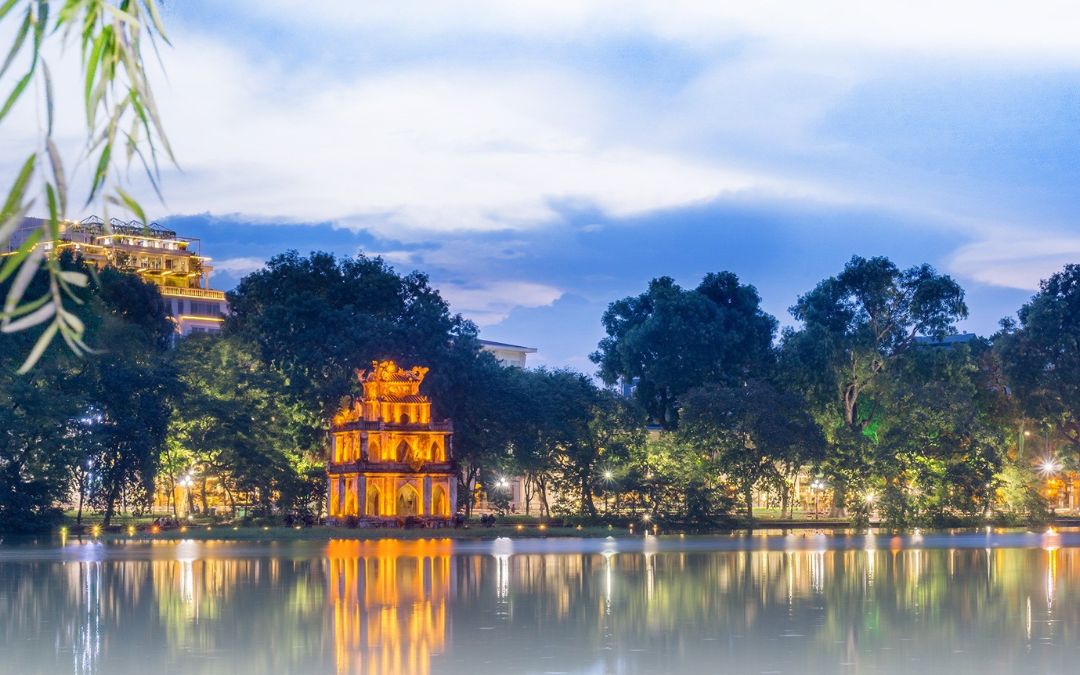
Hanoi
Spring in Hanoi feels fresh and balanced, with mild temperatures and noticeably lower humidity compared to summer. Days are comfortable for long walks, while evenings stay cool enough for open-air cafés and street dining. Seasonal blooms soften the city’s lakes and boulevards, adding subtle color to everyday street scenes.
Spring highlights in Hanoi:
- Exploring the Old Quarter on foot without heat fatigue, ideal for heritage alleys, markets, and architecture spotting
- Visiting museums and cultural sites such as the Temple of Literature and Hoa Lo Prison with fewer weather disruptions
- Enjoying sidewalk coffee culture and rooftop cafés during cooler mornings and sunset hours
- Catching seasonal flower displays and local cultural events that bring extra energy to public spaces
>> Read More: Top Tourist Attractions Near Hanoi Vietnam for Easy Trips
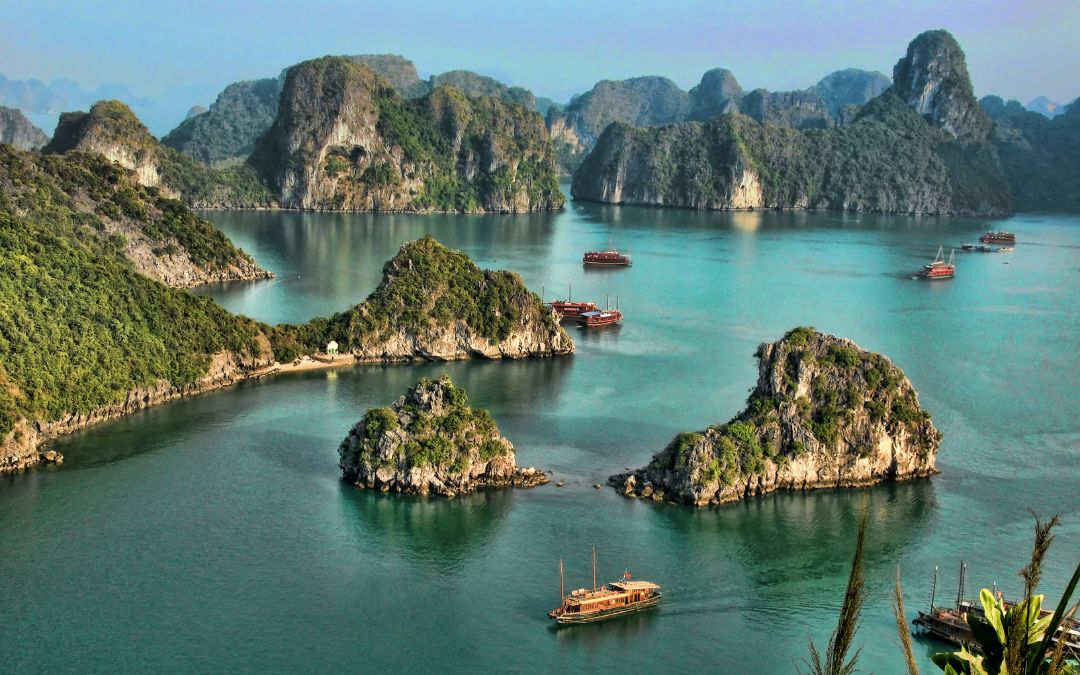
Halong Bay
During spring, Halong Bay benefits from calmer waters and improved visibility, creating favorable conditions for cruising and water-based activities. Fog becomes less frequent than in winter, allowing limestone formations and floating villages to appear more defined in photography and sightseeing.
Spring highlights in Halong Bay:
- Smooth sailing conditions for overnight cruises and day excursions
- Better light clarity for kayaking through karst corridors and hidden lagoons
- Comfortable temperatures for deck activities, cave visits, and short island hikes
- Stable weather windows that reduce the risk of itinerary changes
Hoi An Ancient Town
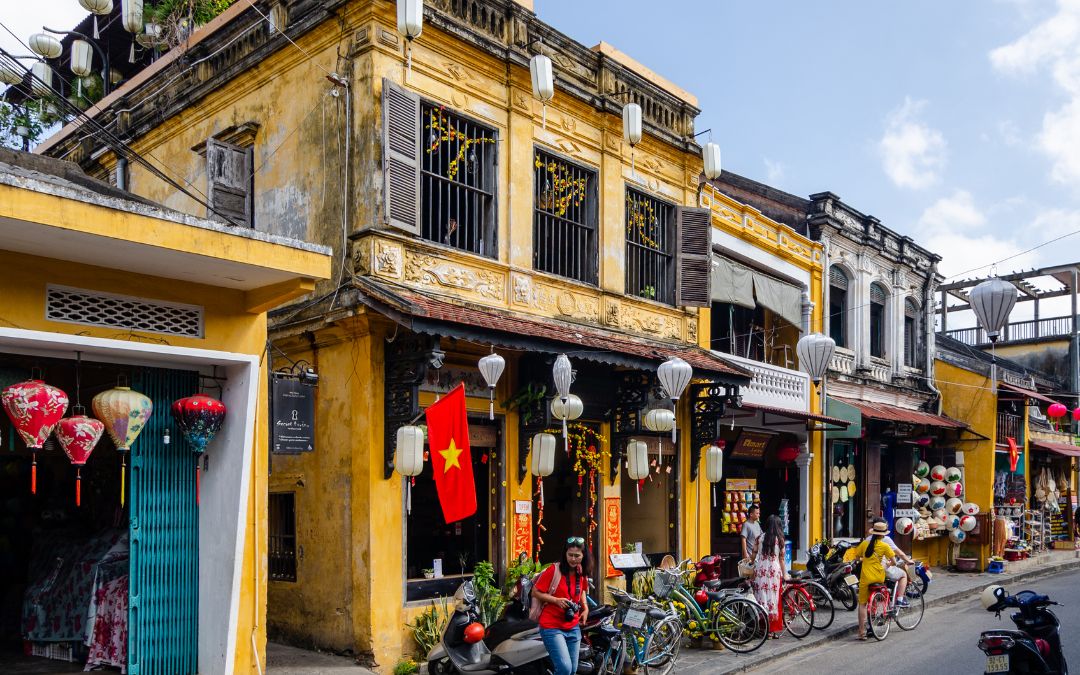
Hoi An in spring balances warm daylight with cooler evenings, making it easy to explore both the historic quarter and surrounding countryside. Rainfall remains low, keeping streets dry and cycling routes accessible. The town’s lantern-lit nights feel especially lively during this season.
Spring highlights in Hoi An Ancient Town:
- Evening walks along the river when lantern reflections and café lights create a relaxed atmosphere
- Cycling through rice fields and village lanes without heavy heat or muddy paths
- Browsing tailor shops, craft boutiques, and local markets at a comfortable pace
- Sampling regional cuisine when outdoor seating remains pleasant throughout the day
Hue
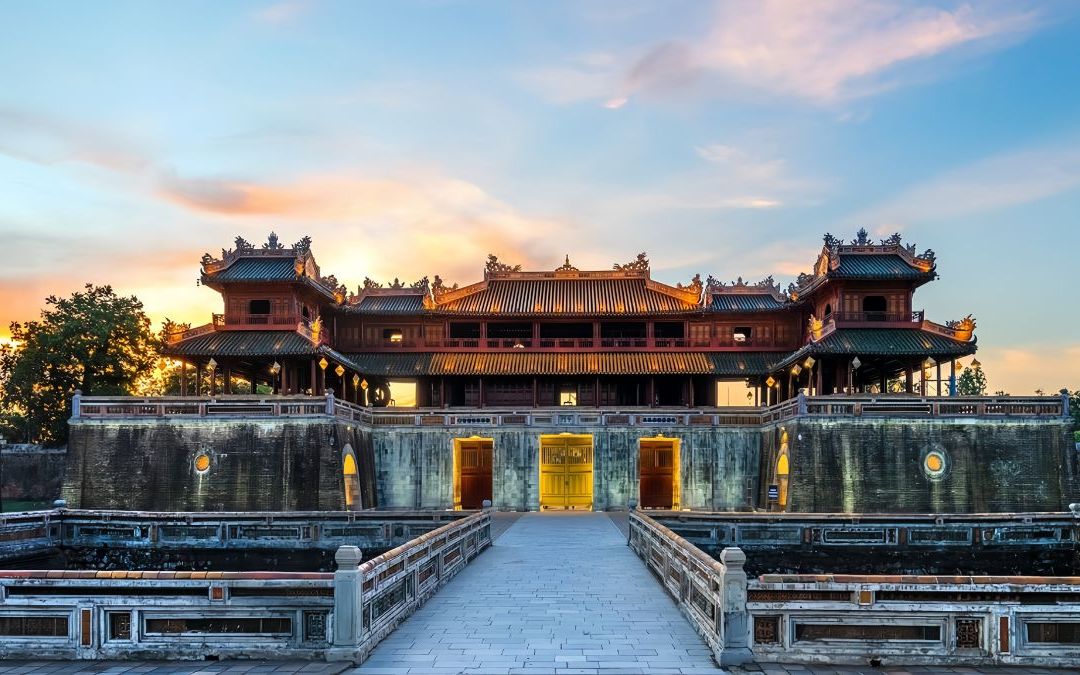
Spring offers Hue a more breathable climate, especially valuable when exploring large outdoor heritage sites. Temperatures stay moderate, allowing extended visits to imperial structures, gardens, and pagodas without the intense sun found later in the year.
Spring highlights in Hue:
- Easier exploration of the Imperial Citadel and royal tomb complexes with steady walking conditions
- Scenic river journeys on the Perfume River under clearer skies
- Better lighting for architectural photography and historical sightseeing
- A calmer travel rhythm that favors culturally focused itineraries
Ninh Binh
Ninh Binh becomes especially photogenic in spring as vegetation thickens and river systems remain clear after the dry winter period. The landscape feels fresh and expansive, making outdoor movement comfortable and visually rewarding.
Spring highlights in Ninh Binh:
- Boat rides through limestone caves and river corridors with stable water levels and mild temperatures
- Cycling routes across rural villages and karst valleys without heavy dust or heat
- Clear visibility for panoramic viewpoints and nature photography
- Countryside scenery reaching peak freshness before summer humidity sets in

Summer (May–August): Beaches, Islands & Cool Highlands
As temperatures rise across much of the country, coastal destinations and elevated highlands offer refreshing sea breezes, cooler air, and a slower summer rhythm ideal for outdoor living.
Da Nang
Summer places Da Nang in its prime beach season, with long daylight hours, warm sea temperatures, and relatively low rainfall compared to other regions. The city balances natural coastline with modern infrastructure, allowing travelers to move easily between beach relaxation and urban convenience.
Summer highlights in Da Nang:
- Spending extended beach time along My Khe and Non Nuoc, where wide sandy stretches allow uncrowded swimming and early-morning walks
- Riding the Ba Na Hills cable car during stable weather windows, when cloud cover is lighter and panoramic views remain clear
- Enjoying beachfront dining, rooftop lounges, and resort facilities designed for warm-weather comfort

>> Read More: Ultimate Guide to Vietnam Beach Holiday Packages – Where to Go, What to Expect and How to Choose
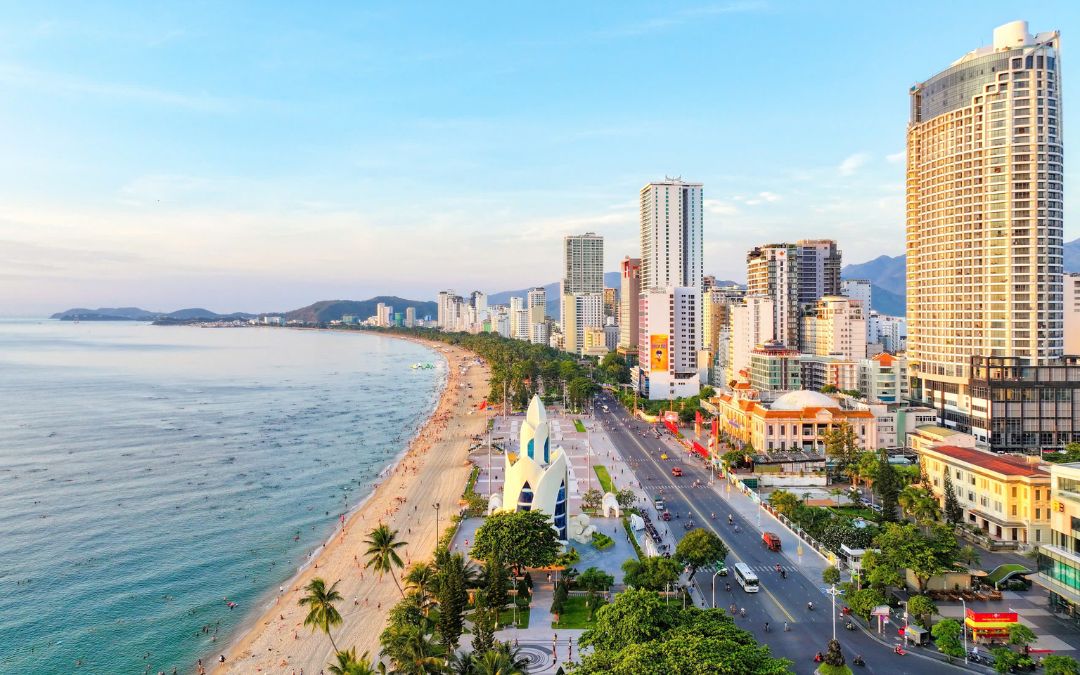
Nha Trang
Nha Trang experiences its most reliable marine conditions during the summer months, with warm water temperatures and relatively calm seas. Visibility underwater improves during this period, making it a strong choice for snorkeling and recreational diving. Evenings stay lively thanks to a well-developed entertainment and dining scene along the beachfront.
Summer highlights in Nha Trang:
- Snorkeling and diving around nearby islands when water clarity is at its seasonal best
- Island-hopping tours that benefit from smoother boat transfers and longer daylight hours
- Beachfront cafés, night markets, and seaside bars operating at full capacity
- Easy access to water activities such as paddleboarding and parasailing
Phu Yen
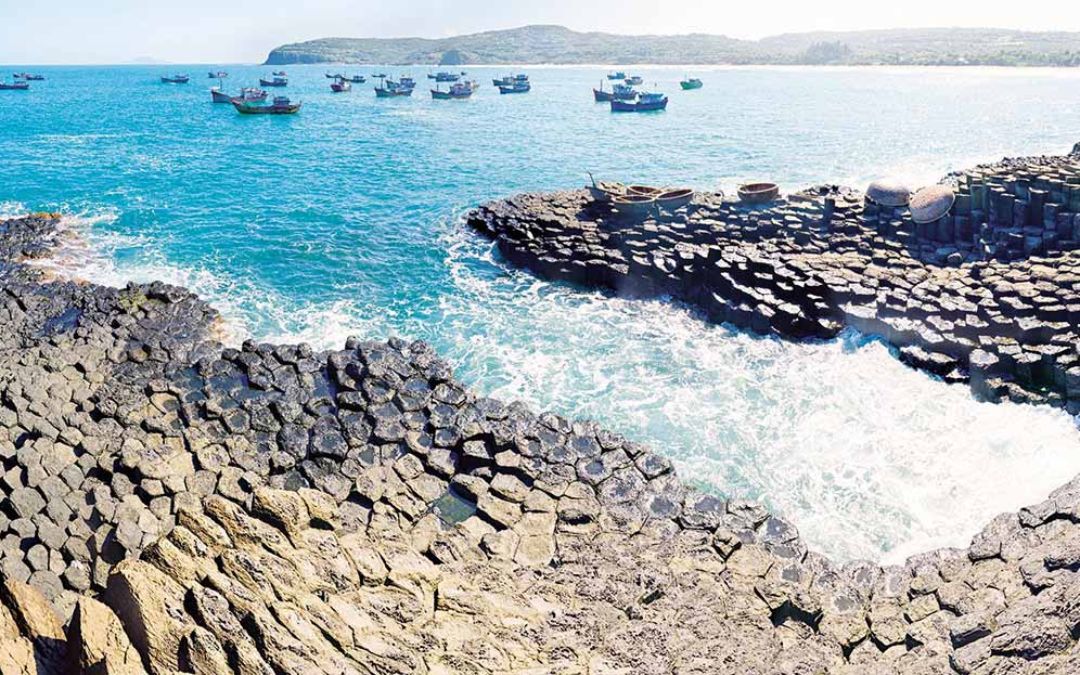
Phu Yen remains quieter than many established coastal hubs, which allows its landscapes to feel open and largely untouched even during peak summer. Dry weather enhances visibility along rocky cliffs and remote beaches, while fishing villages maintain daily rhythms that reflect local coastal life rather than mass tourism.
Summer highlights in Phu Yen:
- Exploring dramatic headlands, basalt formations, and wide coastal viewpoints under consistent sunshine
- Visiting fishing villages when early-morning harbor activity offers authentic cultural encounters
- Swimming at less crowded beaches where natural scenery remains the main attraction
- Discovering an emerging destination before large-scale development reshapes its character
Da Lat
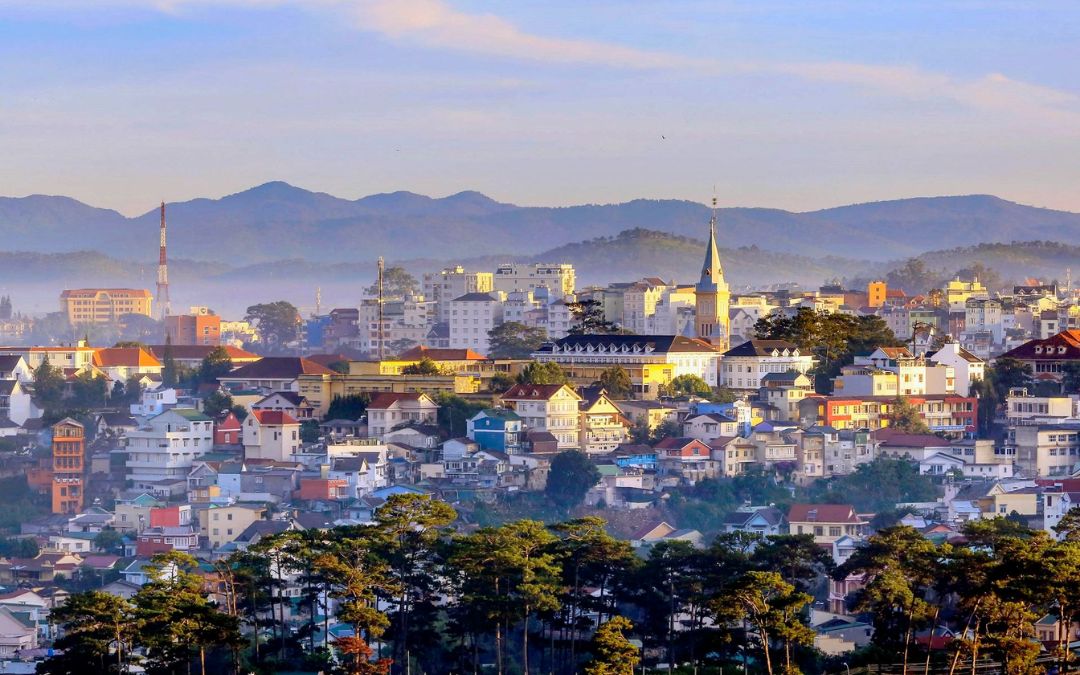
Situated in the Central Highlands, Da Lat maintains noticeably cooler temperatures throughout summer, providing a refreshing contrast to coastal heat. Afternoon cloud cover and light showers help keep air temperatures comfortable while preserving lush vegetation across valleys and hillsides.
Summer highlights in Da Lat:
- Walking forest trails and pine-covered hills during cooler mornings
- Visiting waterfalls when water flow is fuller and more dramatic
- Touring flower farms and hillside gardens at peak blooming periods
- Relaxing in cafés overlooking misty landscapes that remain cool even during midday
Con Dao Islands
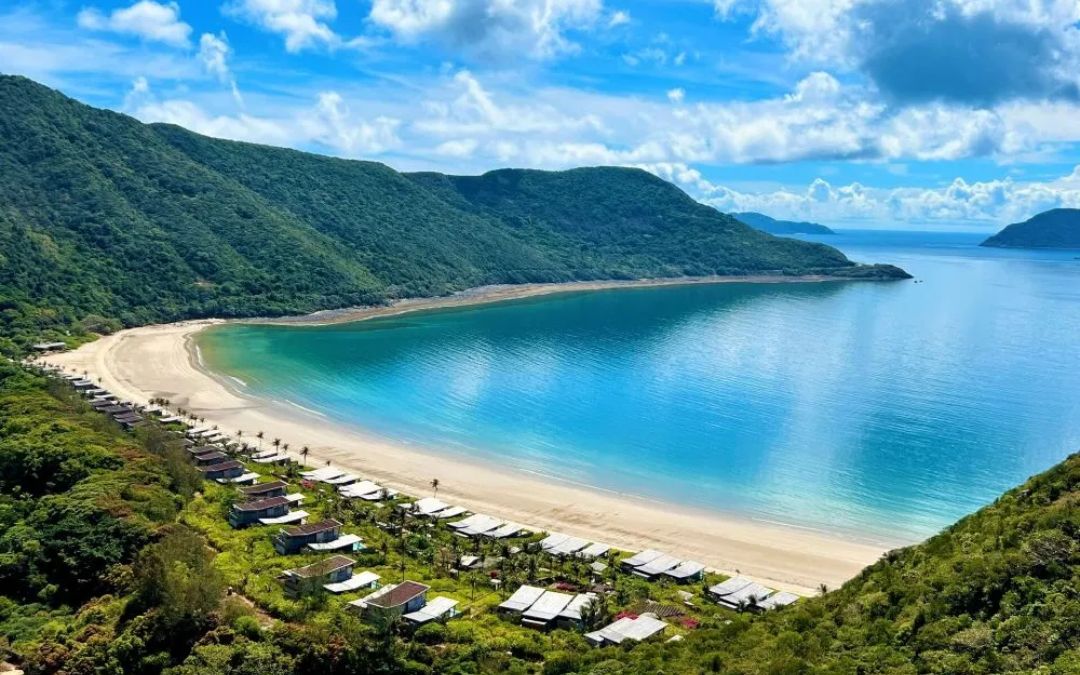
Con Dao’s summer season delivers calm seas and extended sunlight, creating favorable conditions for marine exploration and secluded island stays. Development remains limited compared to mainstream beach destinations, which supports its premium eco-focused positioning and tranquil atmosphere.
Summer highlights in Con Dao Islands:
- Snorkeling and reef exploration supported by improved underwater visibility
- Quiet beach access where visitor numbers stay relatively low
- Eco-oriented resorts emphasizing privacy, sustainability, and natural immersion
- Boat excursions between islands when sea conditions remain stable
Autumn (September–November): Golden Landscapes & Mountain Adventures
As humidity drops and skies begin to clear, northern highland regions shift into their most visually striking season, with harvest colors, cooler air, and excellent conditions for long-distance exploration.
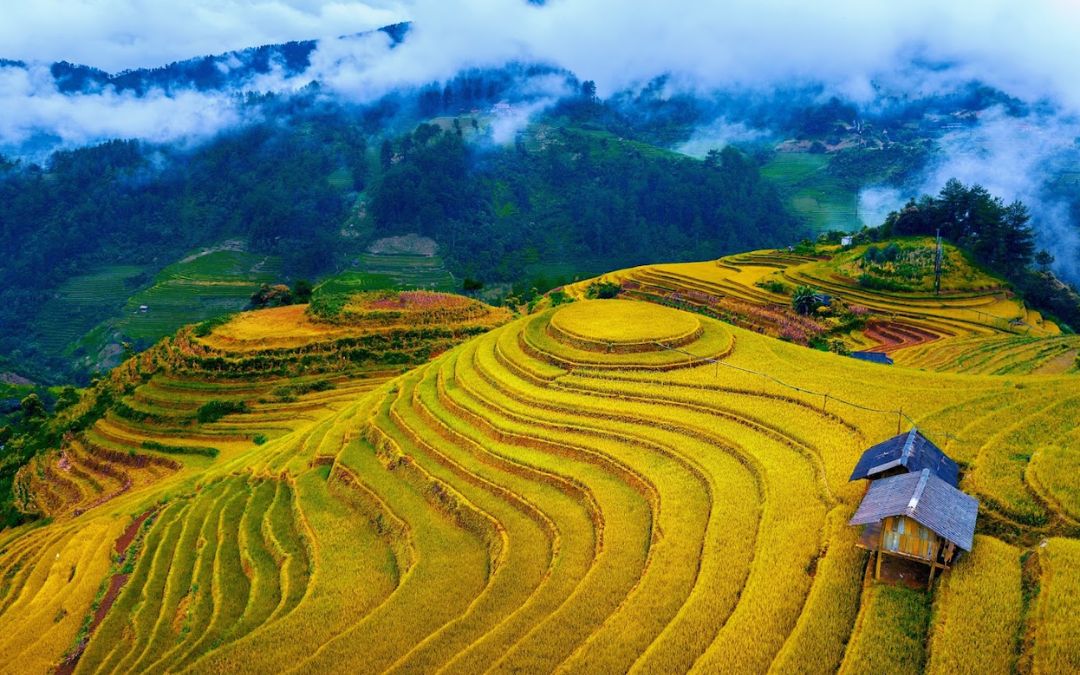
Mu Cang Chai
Early autumn marks the peak rice harvest in Mu Cang Chai, when terraced hillsides transition into layers of gold and amber. Cooler temperatures improve hiking comfort, while clearer skies enhance visibility across steep valleys and mountain ridges. Light mist often settles in the early morning, adding depth and atmosphere to panoramic viewpoints.
Autumn highlights in Mu Cang Chai:
- Viewing harvest-stage terraces from elevated passes such as Khau Pha, where layered fields appear most dramatic
- Hiking between villages during dry trail conditions and mild daytime temperatures
- Capturing landscape photography when sunlight angles enhance contrast across rice contours
- Observing harvest activity that reflects seasonal rural rhythms rather than staged tourism
Ha Giang Loop
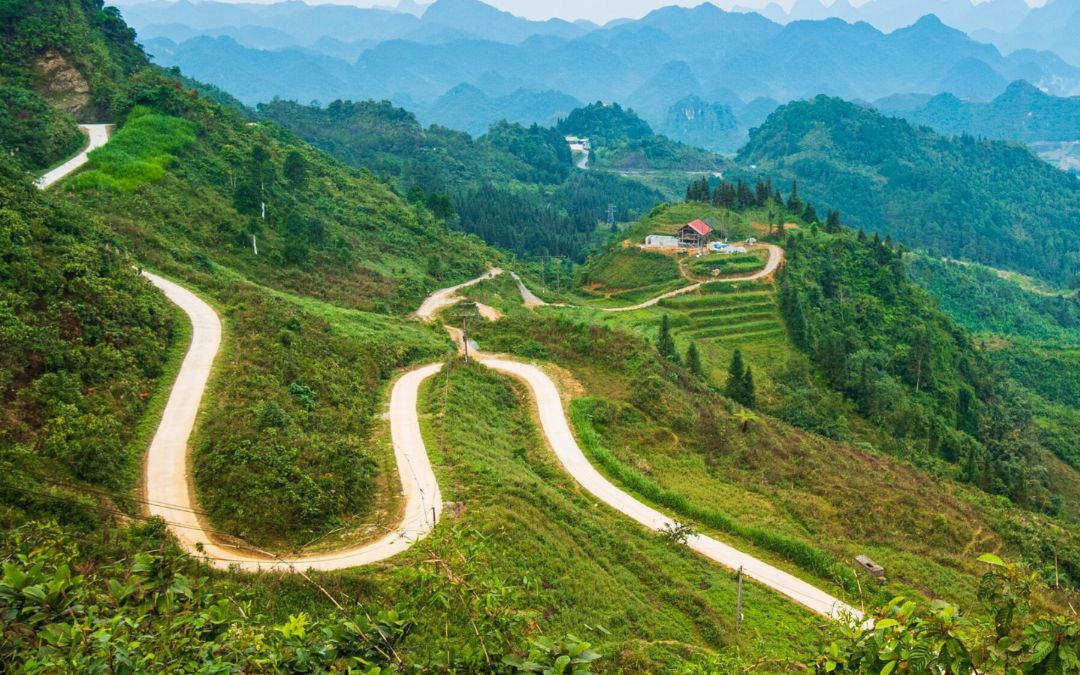
Autumn delivers some of the most stable riding conditions along the Ha Giang Loop, with reduced rainfall and improved road visibility through high-altitude passes. Temperatures remain cool without becoming cold, supporting long riding hours and outdoor exploration.
Autumn highlights in Ha Giang Loop:
- Riding mountain passes with clearer sightlines and safer road traction
- Visiting ethnic minority markets and villages during post-harvest community activity
- Photographing karst valleys and limestone plateaus under crisp autumn light
- Taking multi-day routes without heat exhaustion or heavy monsoon disruptions
Pu Luong Nature Reserve
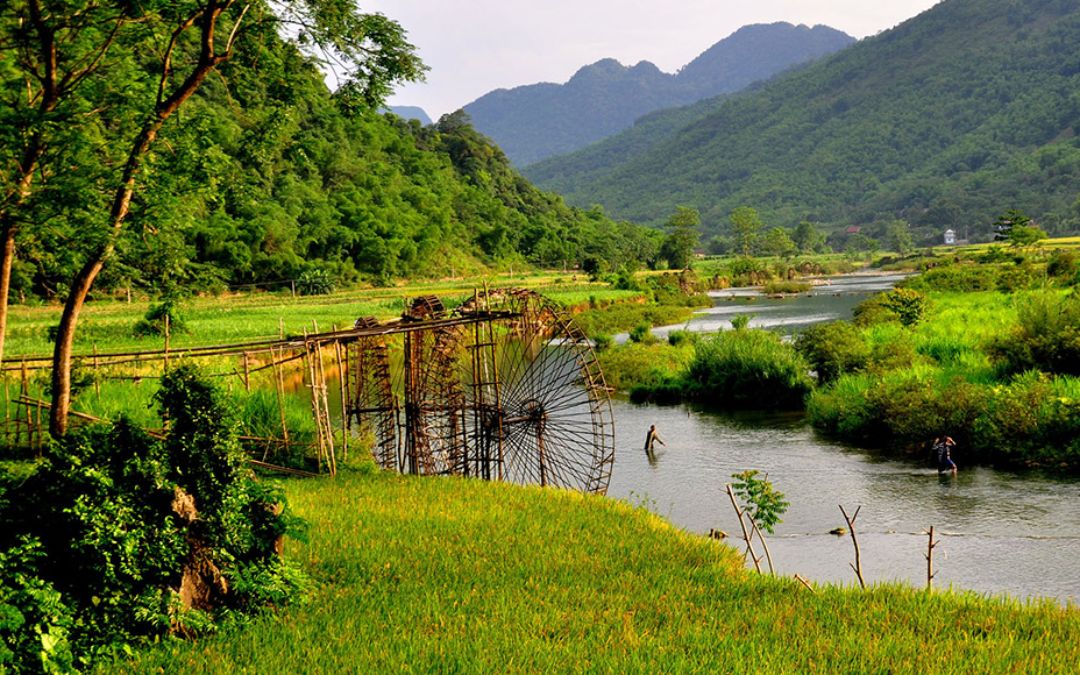
Pu Luong’s forested valleys and terraced hills maintain strong greenery into early autumn while benefiting from drier trekking conditions. Streams and waterfalls remain active from earlier rains, yet trails become easier to navigate as humidity decreases. Wildlife activity also becomes more visible along forest edges.
Autumn highlights in Pu Luong Nature Reserve:
- Jungle walks and village trails with improved footing and moderate temperatures
- Waterfall visits when flow remains steady but access paths are safer
- Staying in eco-lodges that emphasize open-air views and quiet surroundings
- Experiencing local farming cycles without peak tourist congestion
Ba Be National Park
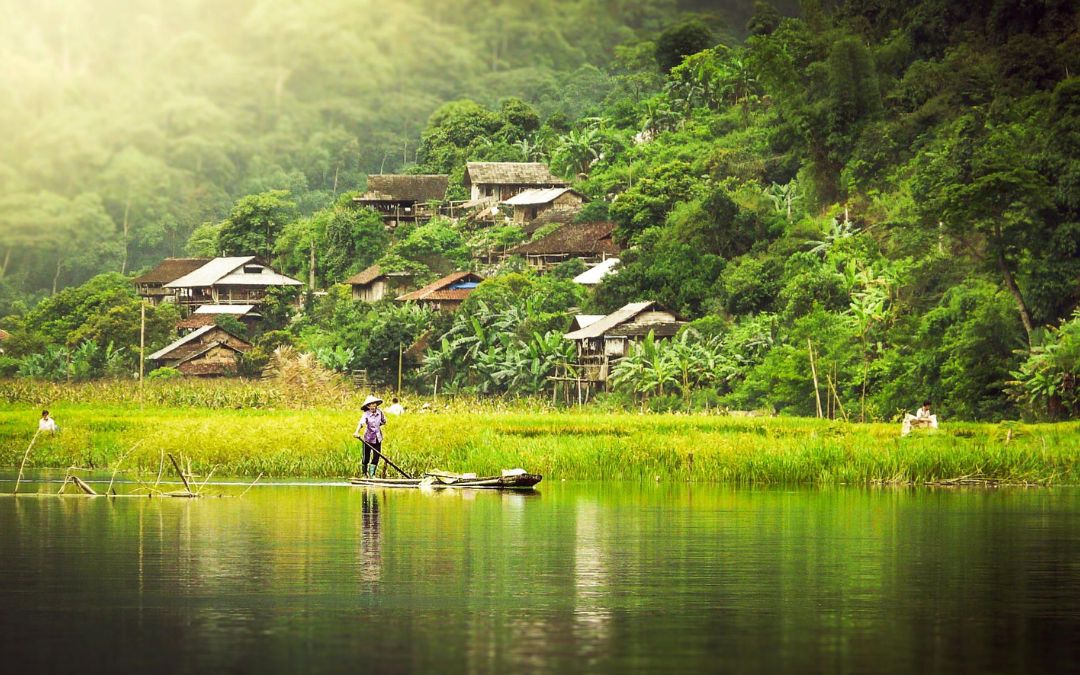
Ba Be’s lake system settles into calmer weather during autumn, offering smoother water conditions for kayaking and cave exploration. Forest ecosystems remain dense and vibrant, while cooler air improves comfort for extended outdoor activity.
Autumn highlights in Ba Be National Park:
- Kayaking across Ba Be Lake during stable water conditions
- Exploring river caves with reliable access and safer entry points
- Forest walks that highlight biodiversity without oppressive humidity
- Engaging with community-based tourism initiatives during quieter travel months
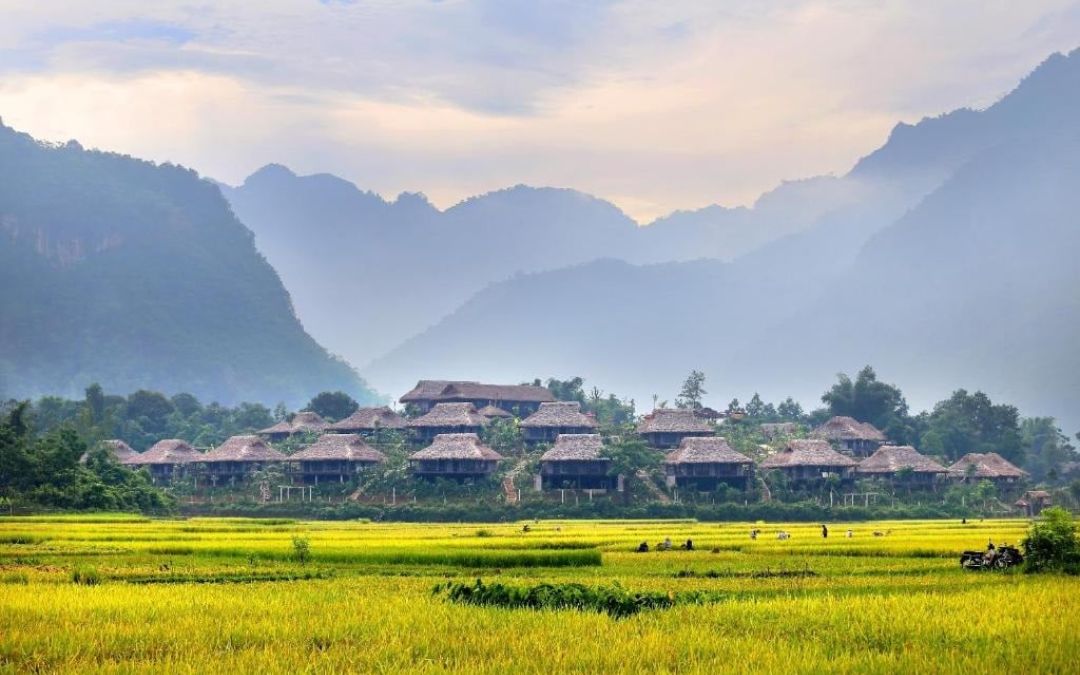
Mai Chau Valley
Mai Chau transitions into a gentle harvest phase in autumn, when rice paddies shift from green to warm golden tones and village activity centers around agricultural routines. Cycling becomes more comfortable as heat eases, while rural landscapes remain open and visually expansive.
Autumn highlights in Mai Chau Valley:
- Village cycling routes across flat valley roads with cooler airflow
- Viewing stilt-house communities framed by ripening rice fields
- Homestay experiences that align with seasonal farming rhythms
- Photography opportunities during soft daylight and low haze conditions
Winter (December–January): Tropical Sun & Southern Discovery
While northern regions cool down, southern Vietnam enters its most stable dry period, offering warm sunshine, low rainfall, and excellent conditions for coastal travel, river exploration, and urban discovery.
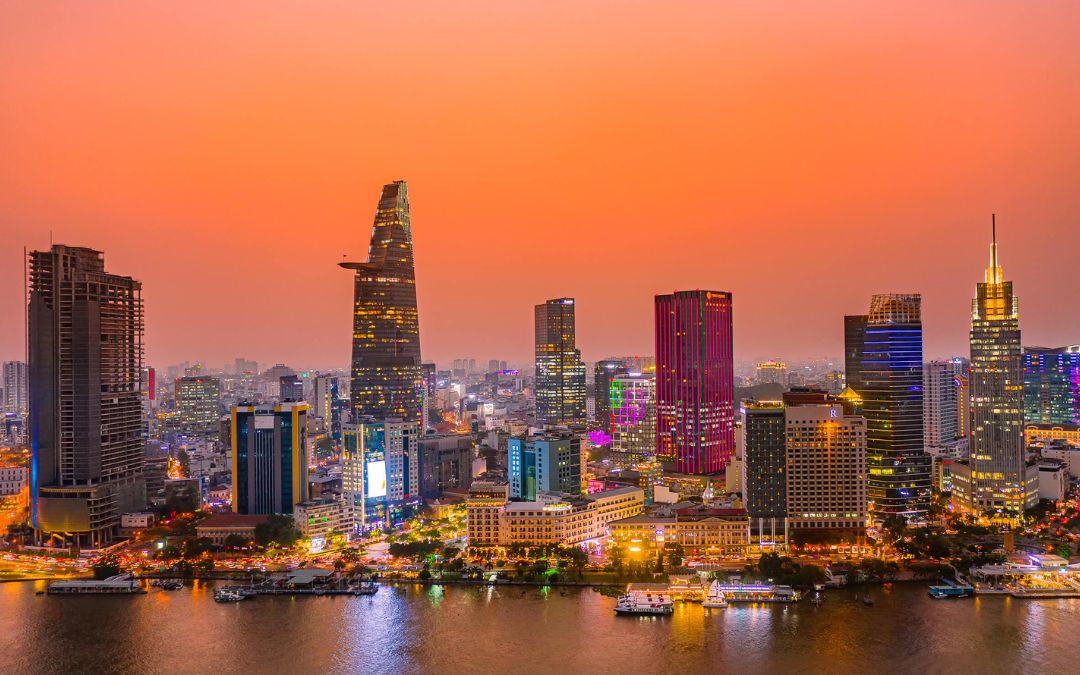
Ho Chi Minh City
Winter brings Ho Chi Minh City its most comfortable weather window, with reduced humidity and cooler evenings that make extended sightseeing far more enjoyable. Dry streets and stable daylight allow neighborhoods to be explored on foot without weather interruptions, especially in the historic districts where colonial architecture and cultural institutions cluster closely together.
Winter highlights in Ho Chi Minh City:
- Walking through District 1 landmarks such as Notre Dame Cathedral, the Central Post Office, and Nguyen Hue Walking Street under cooler daytime temperatures
- Visiting indoor cultural sites like the War Remnants Museum and History Museum without heavy rain disrupting travel time
- Exploring the café scene and late-night dining zones around Bui Vien and Ben Thanh when evenings remain dry and lively
- Browsing local markets and rooftop venues with consistent weather reliability
Mekong Delta
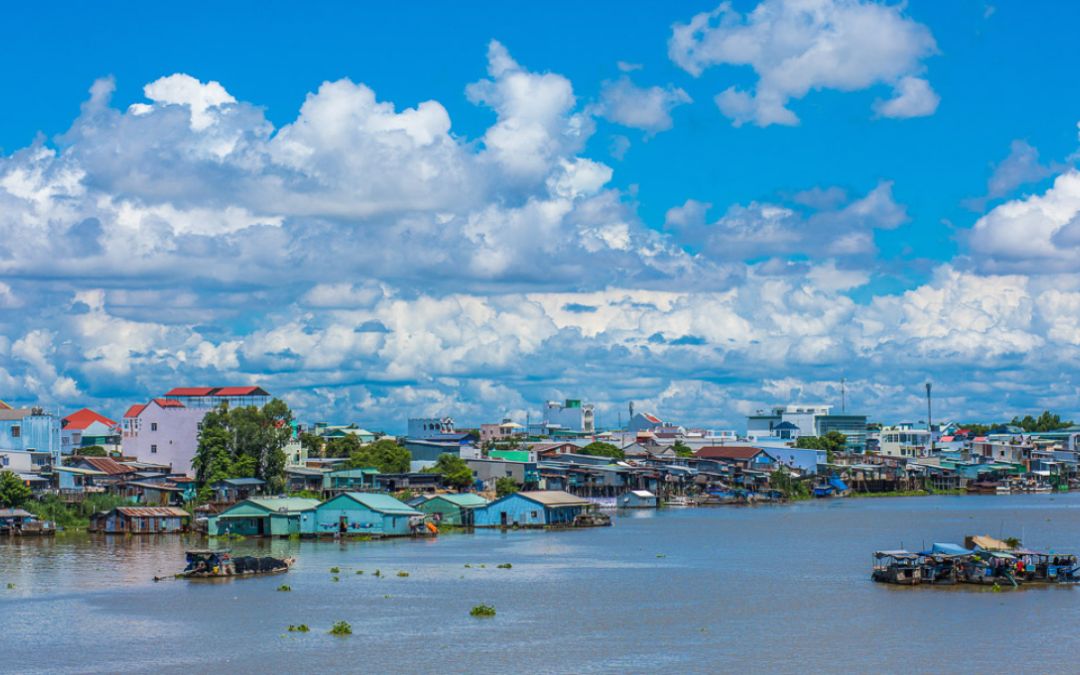
The dry season transforms the Mekong Delta into an accessible network of waterways, orchards, and rural settlements. River levels remain steady, allowing boats to navigate smaller canals easily while orchard paths stay dry for walking and cycling. Agricultural activity remains visible as farmers prepare land and maintain fruit groves.
Winter highlights in Mekong Delta:
- Visiting Cai Rang Floating Market in Can Tho during early morning trading hours when river traffic peaks
- Walking through fruit gardens in Ben Tre and Vinh Long, where dry paths allow easy orchard access
- Taking sampan rides along narrow canals shaded by coconut palms and water palms
- Observing daily river commerce and village transport without monsoon-related delays
Phu Quoc
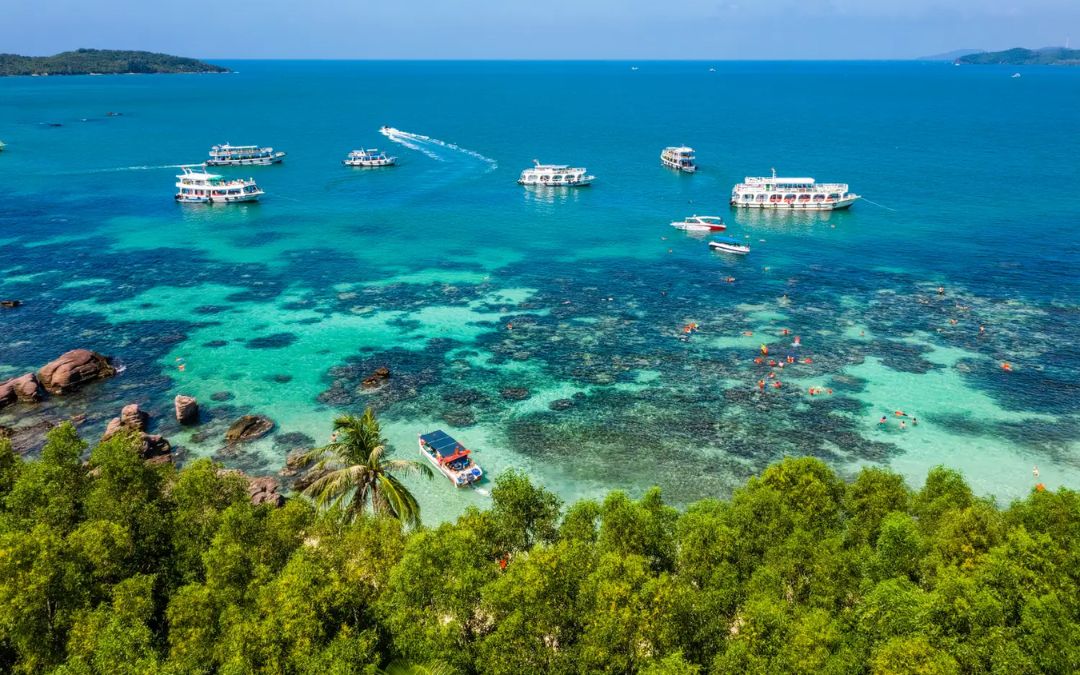
Phu Quoc enters its peak marine season during winter, with calm seas, high underwater visibility, and stable sunlight. These conditions support extended time on the water and reliable inter-island boat transfers. Beach conditions remain consistently warm without excessive humidity.
Winter highlights in Phu Quoc:
- Snorkeling around the An Thoi archipelago, where reef clarity reaches its seasonal best
- Island-hopping excursions between southern islets under predictable sea conditions
- Relaxing along Long Beach and Ong Lang Beach, where sunsets remain clear and uninterrupted
- Staying at beachfront resorts that fully operate outdoor amenities during dry months
Mui Ne
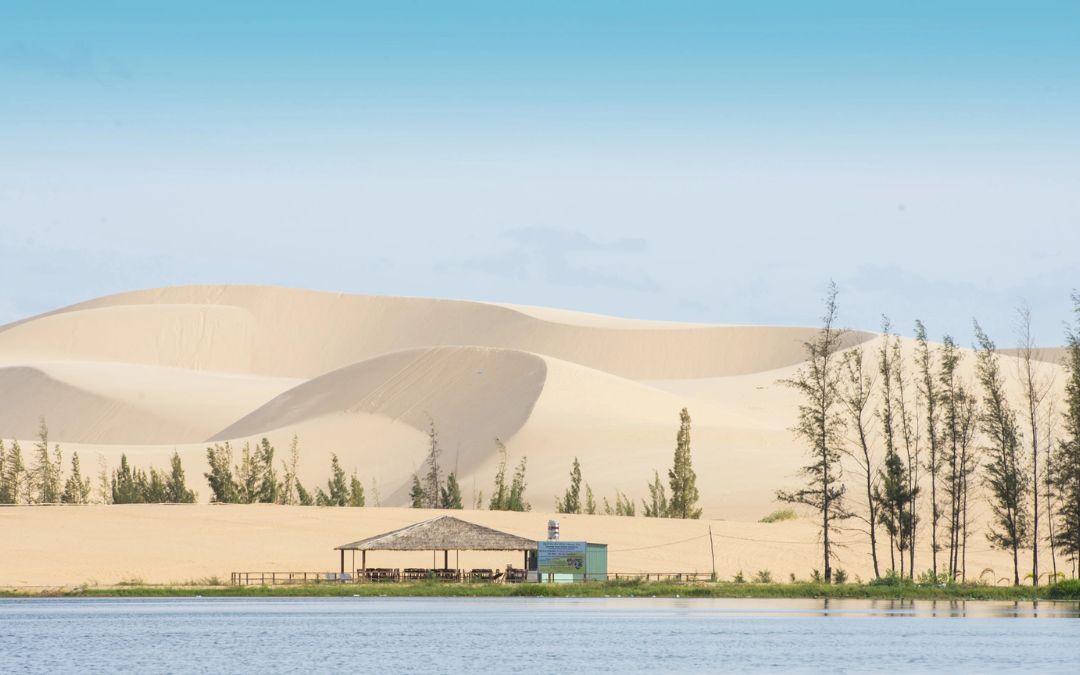
Mui Ne benefits from steady coastal sunshine and consistent wind patterns during winter, creating a strong environment for both outdoor sightseeing and water sports. Dry conditions also improve accessibility to desert-like landscapes that define the area’s unique appeal.
Winter highlights in Mui Ne:
- Visiting the White Sand Dunes and Red Sand Dunes during early morning or late afternoon when light enhances color contrast
- Kite surfing along Mui Ne Beach, supported by reliable seasonal wind flow
- Walking through the Fairy Stream, where shallow water paths remain clear and manageable
- Enjoying seaside dining along Nguyen Dinh Chieu Street under consistent evening weather
Chau Doc
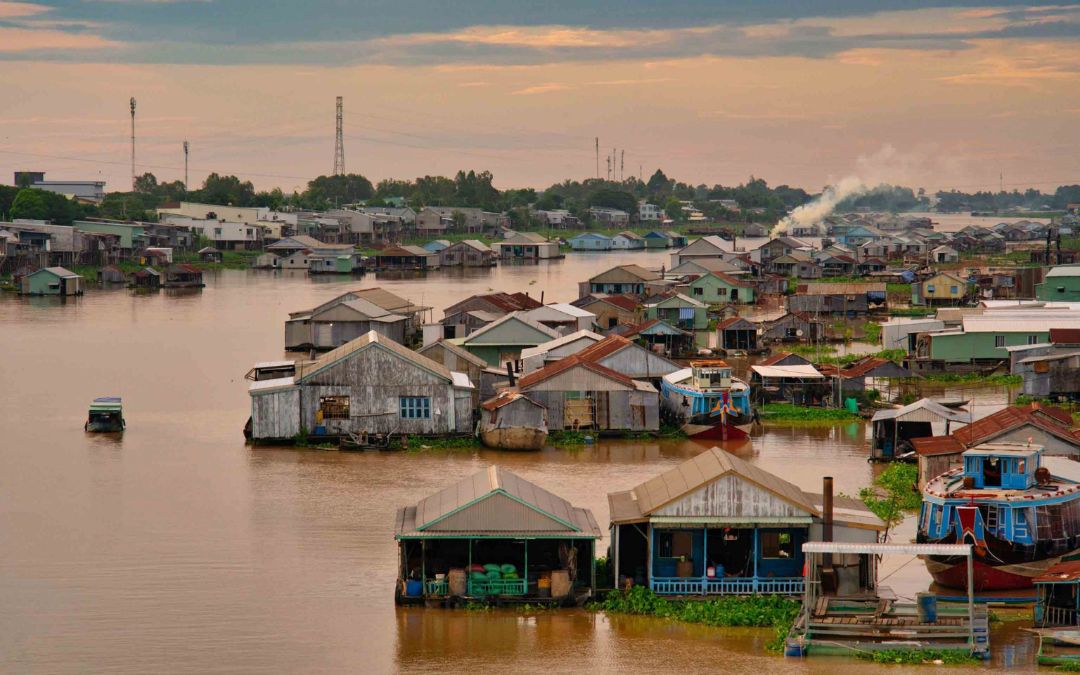
Located near the Cambodian border, Chau Doc experiences calm river conditions and manageable temperatures during winter, making wetland travel and cultural exploration more accessible. The surrounding waterways remain active with floating communities and fishing activity.
Winter highlights in Chau Doc:
- Boat trips through floating villages along the Chau Doc River and Bassac River, observing daily river life
- Visiting spiritual landmarks such as Sam Mountain’s Ba Chua Xu Temple and Tay An Pagoda during cooler daytime hours
- Exploring the Tra Su Cajuput Forest, where dry-season walkways and boat channels remain navigable
- Learning about border trade culture and wetland ecology through guided local tours
>> Read More: Tourist Attractions in South Vietnam – Cities, Islands & Delta Life
Practical Planning Tips for Each Season
Even with the perfect destination and timing, thoughtful planning around bookings, weather preparedness, packing, and regional movement ensures smoother travel from start to finish.
Booking & Pricing Strategy
Travel costs and availability fluctuate significantly throughout the year, so understanding booking timing helps secure better value and smoother logistics.
- Reserve flights and accommodation earlier for high-demand periods such as spring in the north and winter in southern beach destinations.
- Compare hotel pricing between peak and shoulder months to identify value windows with similar weather quality.
- Select flexible booking policies when traveling during transitional months with changing climate conditions.
- Monitor domestic airfare trends for routes between Hanoi, Da Nang, and Ho Chi Minh City, where prices fluctuate rapidly during holidays.
- Avoid last-minute reservations in resort-heavy areas where inventory can sell out quickly during national travel peaks.
Weather Risk Management
Vietnam’s regional climate differences make advance weather planning essential for protecting time, safety, and itinerary flow.
- Review regional weather trends rather than national forecasts, as rainfall and storm patterns vary widely across Vietnam.
- Limit coastal travel in central Vietnam during the highest typhoon-risk months from September to early November.
- Schedule outdoor-heavy activities earlier in the day when afternoon rain is more likely in tropical regions.
- Keep at least one flexible activity block in each destination to accommodate sudden weather changes.
- Choose guided tours with clear rescheduling or refund policies during monsoon transition periods.
Packing Recommendations by Season
Packing strategically improves comfort across changing temperatures, humidity levels, and terrain conditions.
- Prioritize breathable fabrics for coastal and southern regions where humidity remains high year-round.
- Pack light insulation layers for highland destinations such as Da Lat, Sapa, and northern mountain areas.
- Carry compact rain protection when traveling through central or tropical regions during wetter months.
- Bring sun protection accessories for beaches, river tours, and open rural landscapes.
- Select comfortable walking footwear suitable for uneven surfaces, wet paths, and urban pavements.
Transportation & Route Planning
Efficient routing reduces transit fatigue and maximizes productive sightseeing time across long distances.
- Book domestic flights early during peak seasons to secure preferred schedules and pricing.
- Use overnight trains strategically for long-distance routes to preserve daytime exploration hours.
- Plan regional transfers during daylight periods to minimize weather-related disruptions.
- Allocate buffer time between connections when traveling to remote or mountainous regions.
- Cluster geographically aligned destinations to avoid unnecessary backtracking.
Final Words
Vietnam’s strength as a travel destination lies in its variety. Mountains, coastlines, river systems, and heritage cities all sit within one long stretch of land, yet each region in the top 5 places to visit in Vietnam follows its own climate rhythm. That’s why knowing which destinations perform best at different times of year helps travelers avoid weather frustration and make the most of scenery, activities, and overall travel comfort.
Ready to refine travel dates and destinations into a seamless itinerary? Asia Trip Deals helps match seasonal conditions with the right routes, accommodations, and experiences for a well-balanced journey. Reach out for such a wonderful trip to embrace the best version of the spots you love in Vietnam!