Hanoi’s tourism numbers are booming, with the city welcoming more than 33.7 million visitors in 2025. However, thinking of Northern Vietnam must not be limited to Hanoi alone, because the areas surrounding the capital offer equally compelling experiences for every kind of traveler.
In this guide, you’ll discover top tourist attractions near Hanoi Vietnam for easy trips, from lush national parks and traditional craft villages to peaceful lakes and heritage sites. Along the way, you’ll also find practical tips and sample itineraries to help you plan rewarding excursions beyond the city’s busy center.
Top Hanoi Nearby Attractions to Add Into Your Vietnam Trip
Before exploring individual destinations, it’s important to recognize that the tourist attractions near Hanoi Vietnam are rich with scenery and experiences that reward travelers who want more than urban landmarks.
Ba Vi National Park — Nature & Adventure in One Place
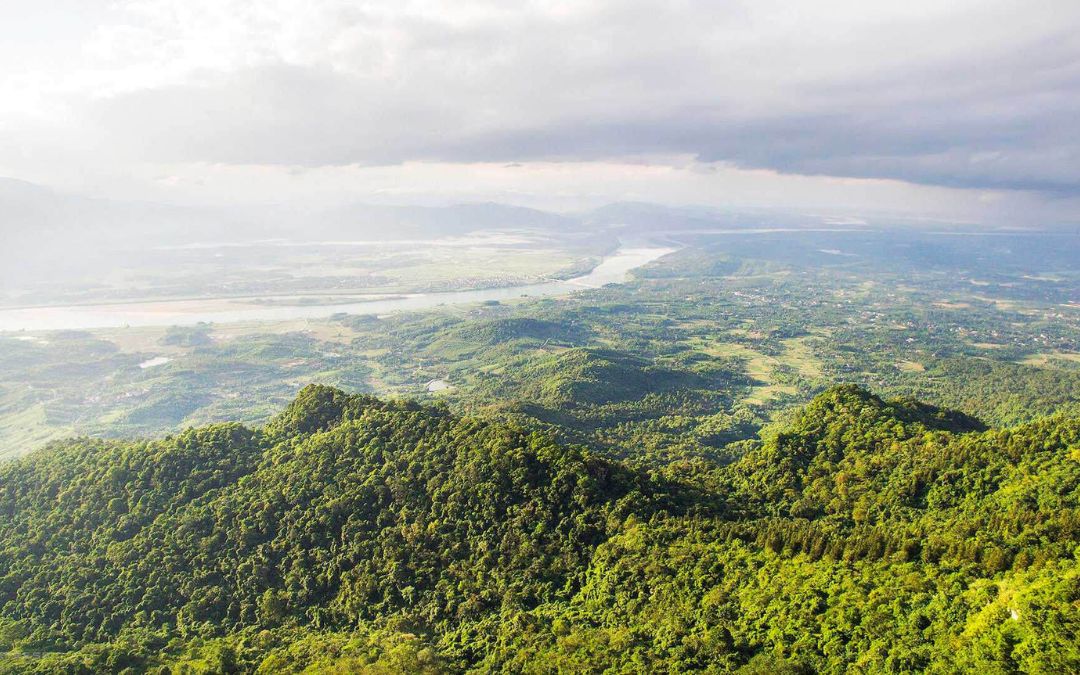
Just 60 kilometers west of the capital lies Ba Vi National Park, a verdant expanse of forested hills and winding trails that has become one of the most accessible escapes for nature lovers and outdoor seekers visiting Northern Vietnam. The park’s unique combination of biodiversity, cool mountain air, and remnants of early 20th-century colonial architecture offers a refreshing contrast to the city’s busy streets and historic neighborhoods.
The terrain is gentle enough for beginners yet varied enough to keep more experienced hikers engaged. As the trails rise, they open up onto expansive views over the surrounding countryside, creating natural postcard moments that reward steady steps. Amid this greenery, the ruins of a French church stand quietly, their stone arches and fractured walls evoking a sense of layered history that connects Vietnam’s past with its natural landscape.
Highlights of Ba Vi National Park:
- Explore the atmospheric remains of an old French church
- Reach panoramic lookout points on Tan Vien Mountain
- Enjoy picnic spots tucked under tall trees
- Observe local birdlife and plant species
>> Read More: 12 Off The Beaten Path Destinations across Southeast Asia Adventurers Shouldn’t Miss
Dai Lai Lake — Blue Skies & Water Activities
A short drive from Hanoi opens up a landscape that feels worlds away from city noise and traffic — Dai Lai Lake stretches out like a wide, peaceful mirror framed by gentle green hills and open skies. Known for its spacious waters and relaxed atmosphere, this reservoir has become a favorite among travelers and locals who want to slowly enjoy the presence of water just a couple of hours from the capital.
The lake’s broad surface catches the changing light of morning and late afternoon, making every visit feel slightly different. In the early hours, mist can hover over calm waters, softening the hills beyond. Later in the day, sunlight glints off gentle ripples, inviting visitors to step onto the water or simply linger at the shoreline with a picnic or a book.
Highlights around Dai Lai Lake:
- Kayak across the wide, sheltered water surface
- Cruise toward small lake inlets by electric boat
- Explore the landscaped grounds around Flamingo Dai Lai Resort
- Cycle along paved paths circling parts of the reservoir
- Dine at lakeside cafés and resort restaurants overlooking the water

Tam Dao Highland Resort Town
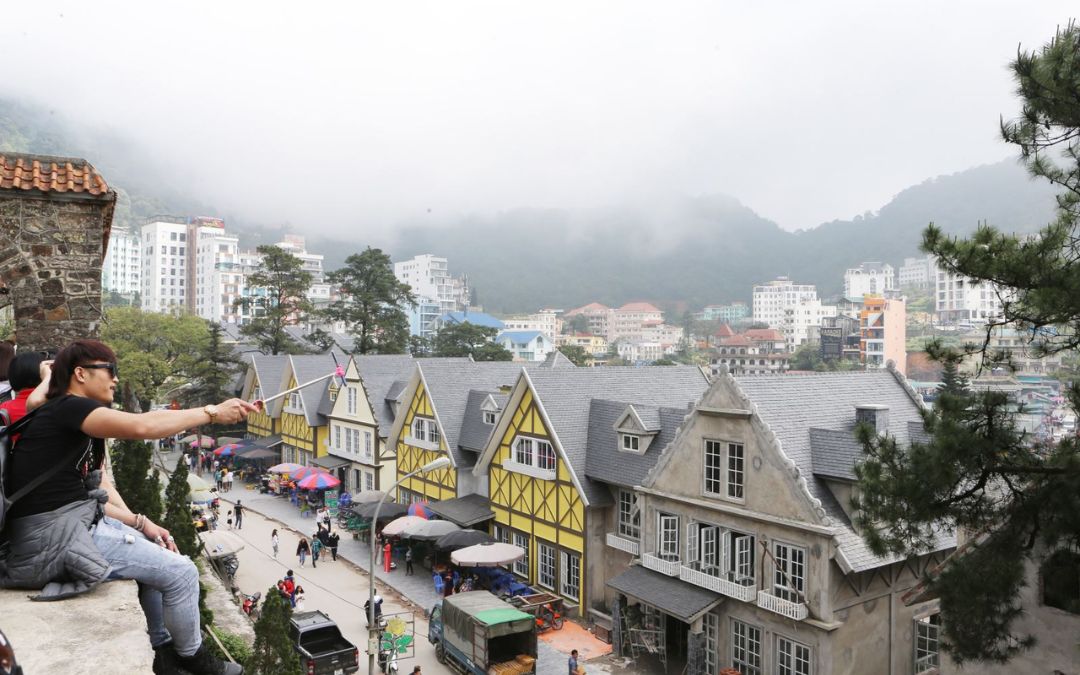
A little over 80 kilometers north of Hanoi, Tam Dao Highland Resort Town offers a welcome change of pace with its cooler climate, rolling mountain vistas, and often mist-shrouded mornings that seem lifted straight from a dreamscape.
Perched high above the lowland heat, this hillside retreat has long been cherished by both local weekend escape-seekers and international visitors looking to add a refreshing alpine touch to their Vietnam itinerary. The highland air here is noticeably crisp, and on many mornings, low clouds drift lazily through pine forests and across scenic ridges, transforming familiar views into something quietly magical.
Strolling along Tam Dao’s winding paths, visitors will find well-maintained walkways that thread through fern-lined forests and open meadows. The town’s elevated position also rewards those who pause for photographs, as panoramas extend across layered valleys and distant peaks.
Beyond the landscape itself, Tam Dao supports a growing café culture nestled among the hills, where travelers can sip locally brewed coffee or herbal tea while soaking in the scenery.
Highlights of Tam Dao Highland Resort Town:
- Climb to Silver Waterfall
- Ascend to the Stone Church and Heaven’s Gate viewpoints
- Explore the cloud forest trails, shaded paths through moss-draped groves
- Visit local temples like the Princess Thuong Ngan Temple
- Stroll through Tam Dao’s town center
Bat Trang Pottery Village — Hands-On Heritage
To the east of Hanoi, just over a dozen kilometers from the city center, lies Bat Trang Pottery Village, one of Vietnam’s oldest and most vibrant craft communities. With a history stretching back to the 14th century — when skilled potters first settled on the rich clay banks of the Red River — this village has grown into a lively cultural hub that attracts both domestic and international visitors.
The tradition of ceramic making here has been recognized as a national intangible cultural heritage, and throughout the village you’ll see artisans drawing on centuries-old techniques that have been passed down through generations.
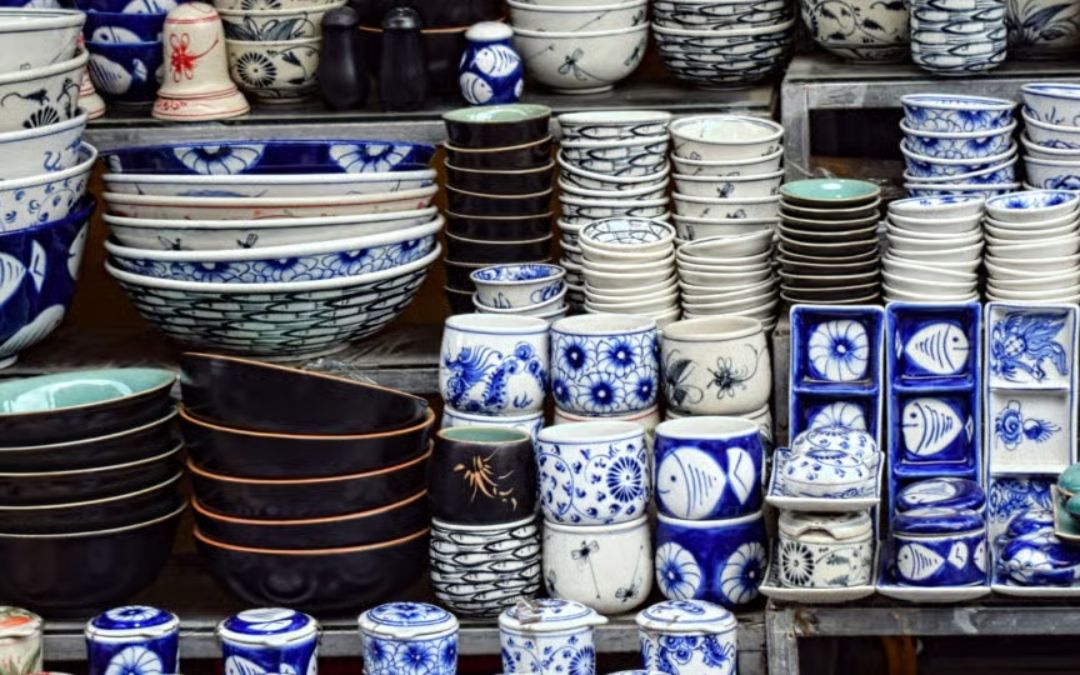
The streets are lined with pottery studios where local craftsmen shape, glaze, and fire clay with remarkable precision. Many of these workshops open their doors so visitors can observe every stage of the process, from forming the clay on a wheel to painting intricate designs by hand.
Highlights of Bat Trang Pottery Village:
- Join hands-on pottery sessions
- Browse the lively pottery market
- Explore the Bat Trang Pottery Museum
- Wander through historic corners of the village, including the Van Van Ancient House and narrow alleyways lined with traditional architecture
Quang Phu Cau Incense Village — A Photographer’s Dream
Located about 40 km southwest of Hanoi, Quang Phu Cau Incense Village has evolved from a quiet craft community into one of the most visually striking cultural stops near the capital.
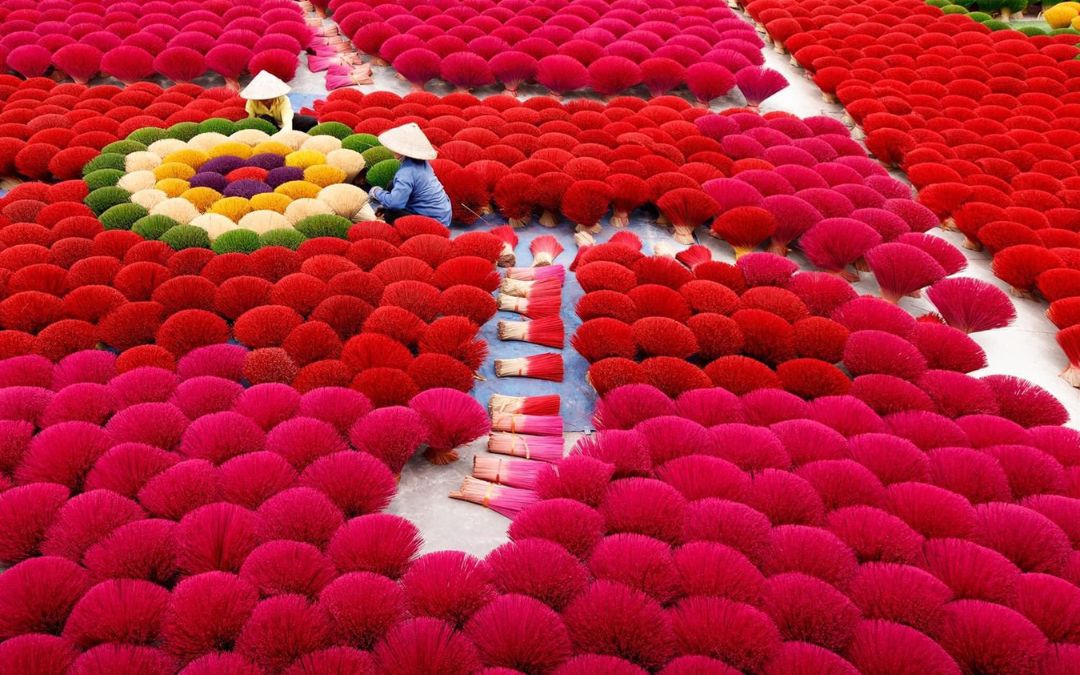
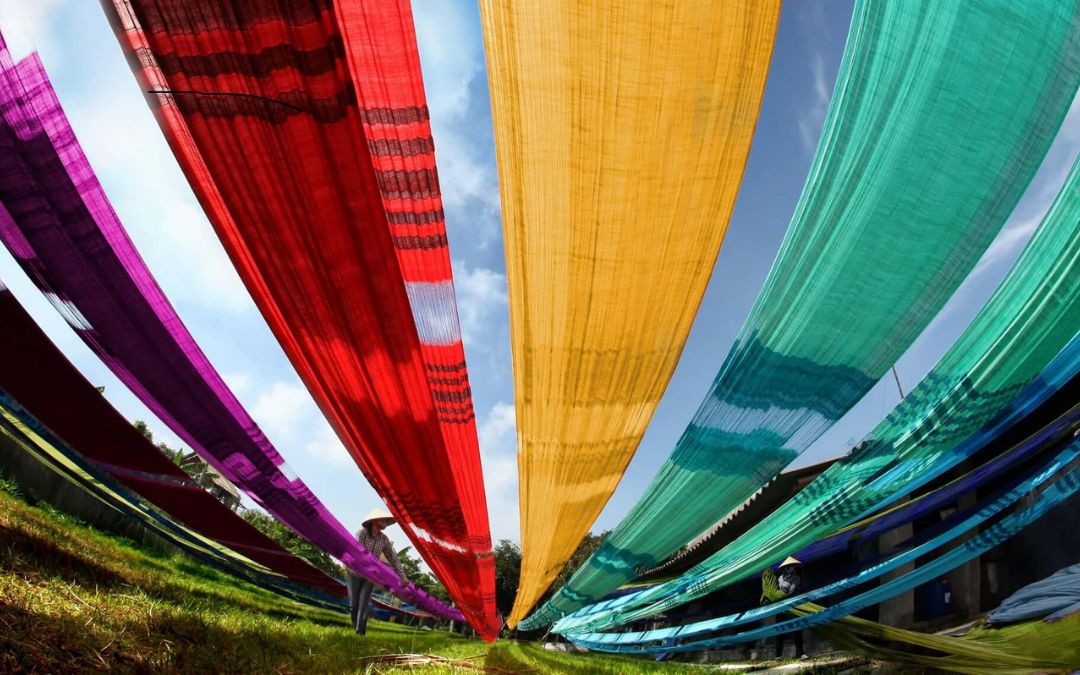
Centuries-old incense‐making traditions still thrive here, and on sunny days, open courtyards and village lanes fill with vibrant bundles of red and yellow incense sticks drying in the sunshine — a sight that has drawn photographers and creative travelers from around Vietnam and abroad.
Walking into Quang Phu Cau, the air carries a distinctive, herbal scent as artisans pour attention into each stage of incense production. Bamboo sticks are carefully split, shaped, dipped into fragrant blends of natural resins and herbs like cinnamon, star anise, and agarwood, and then left out to dry in neat, colorful formations.
While some modern equipment assists with shaping and drying, many steps remain rooted in handcraft techniques that have been passed down for generations, reinforcing the village’s cultural authenticity.
Highlights of Quang Phu Cau Incense Village:
- Admire vast arrangements of brightly dyed incense bundles laid across courtyards and village squares
- Follow each step of the traditional production process
- Engage with daily village life
- Capture layered compositions of radiant colors that shift with natural light throughout the day
Van Phuc Silk Village
Slightly southwest of Hanoi’s central districts lies Van Phuc Silk Village, a historic weaving community that has earned a reputation as one of Vietnam’s premier silk centers. Unlike modern factory outlets, Van Phuc preserves a craft tradition that stretches back centuries, with local artisans still weaving fine silk thread by thread on traditional looms.
The village’s name is synonymous with quality silk, and for generations it supplied fabric not only for local markets but also for royal courts and high-end tailors across the region. Today, Van Phuc remains a vibrant craft hub where visitors can see this legacy translated into elegant scarves, Ao Dai, and hand-woven textiles that make meaningful, high-quality souvenirs.
Narrow alleys in Van Phuc are flanked by workshops where master weavers work with intense focus, creating patterns of silk that shimmer subtly under natural light. Many studios welcome visitors, offering explanations of the weaving process — from selecting threads to setting up the loom and manually guiding shuttle movements that create distinct textures and motifs.
Highlights of Van Phuc Silk Village:
- Watch skilled weavers at work on traditional looms
- Explore boutique shops and showrooms with finished products, such as scarves, shirts, dresses, and traditional Ao Dai costumes
- Learn about the weaving process through demonstrations
- Discover small cafes and artisan spaces tucked among the weaving houses
Thay Pagoda
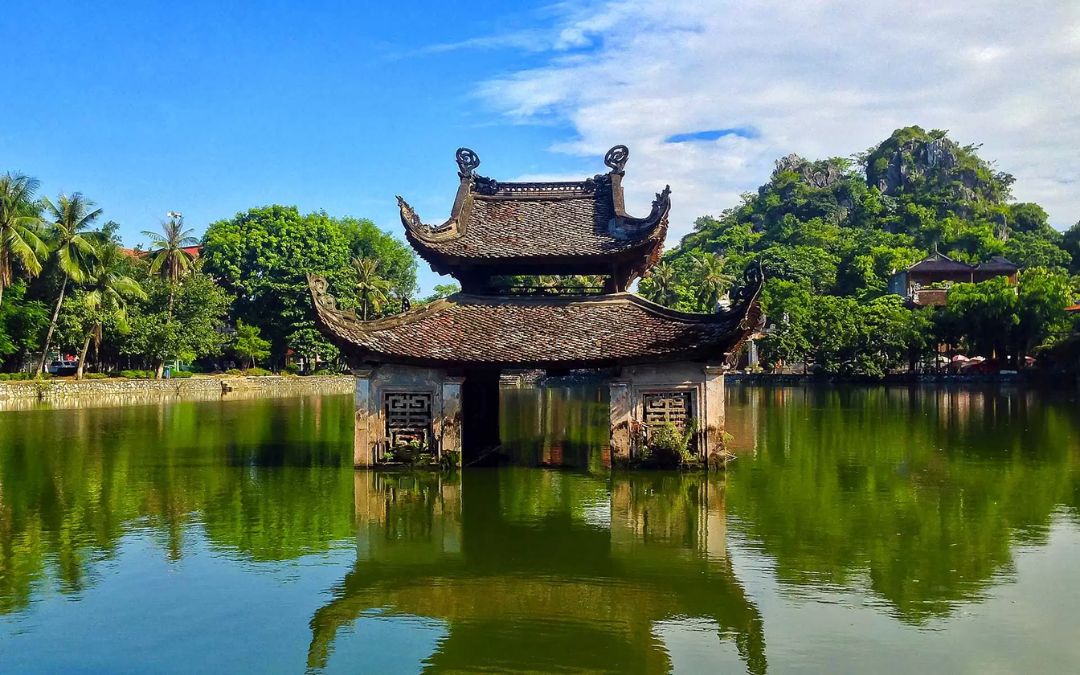
Set against gentle green hills southwest of Hanoi, Thay Pagoda stands as one of the oldest and most revered Buddhist complexes in Northern Vietnam. Its origins date back to the 11th century, during the Ly Dynasty, when it was founded by the Zen master Tu Dao Hanh, a figure celebrated in Vietnamese spiritual history for his teachings and legendary tales.
Approaching the pagoda, visitors are greeted by expansive courtyards and moss-covered stone pathways that lead toward weathered yet dignified buildings. The complex’s architecture reflects traditional Vietnamese design elements: tiled roofs curve gently upward, wooden beams support carved details, and stone statues of guardians and disciples watch over each courtyard.
What sets Thay Pagoda apart is not only its age but the living spiritual life that continues here, with monks in saffron robes moving quietly among incense coils and worshippers offering flowers at altars.
Highlights of Thay Pagoda:
- Explore ancient temple buildings
- Discover the stone theatre and carved reliefs
- Wander tranquil gardens and shaded walkways
Hanoi City Heritage
If your schedule brings you back to Hanoi earlier in the afternoon, the city’s rich heritage sites offer rewarding stops that fit neatly into a day’s exploration.
- Hoan Kiem Lake sits at the city’s historic core, framed by shaded walking paths and elegant colonial buildings. Early mornings bring locals practicing tai chi, while shifting light over the water attracts photographers throughout the day.
- Ngoc Son Temple rises on a small island near the lake’s northern edge and is accessed by an iconic red wooden bridge. Its lakeside setting and traditional architecture create strong visual contrast and meaningful cultural context for visitors.
- Tran Quoc Pagoda rests on a narrow peninsula in West Lake and ranks among Vietnam’s oldest Buddhist temples. Graceful rooflines, stone lanterns, and mature trees form a serene backdrop that highlights Hanoi’s spiritual heritage.
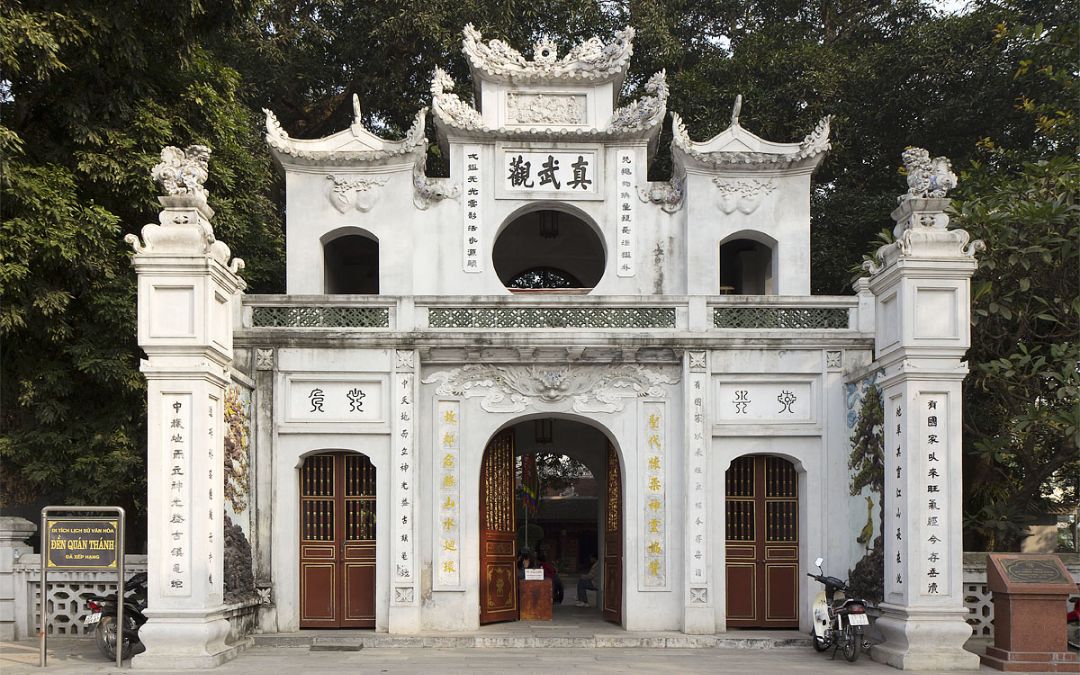
- Quan Thanh Temple in the Ba Dinh district reflects the city’s early religious traditions through richly carved woodwork and ancient statues. Shaded courtyards and banyan-lined walkways offer a quiet space to observe local worship and historic craftsmanship.
>> Read More: An Insider’s Guide – Unlocking Top 5 Things to Do in Hanoi
How to Get There — Practical Transport Tips
Reaching the top tourist attractions near Hanoi Vietnam is straightforward, but the right transport choice can significantly shape your travel experience. Traffic conditions, group size, budget, and how many places you plan to visit in one day all play a role.
In general, starting early in the morning (around 7:30–8:00) allows smoother travel, cooler weather, and more time on site before afternoon congestion builds.
By Car or Private Transfer
For travelers prioritizing comfort, privacy, and flexibility, hiring a private car or booking a transfer service is often the most efficient solution. Door-to-door pickup saves time, especially for families, small groups, or visitors combining multiple destinations in one itinerary. Drivers are usually familiar with rural routes and can adapt schedules based on weather or traffic conditions.
This option works particularly well for longer routes such as Ba Vi National Park or Quang Phu Cau Incense Village, where public transport connections may be limited. Travel times are predictable, and stops for meals or photos can be arranged easily without affecting the overall schedule.
Typical travel reference points:
- Ba Vi National Park: around 60 km west of Hanoi, roughly 1.5–2 hours by car.
- Quang Phu Cau Incense Village: approximately 35–40 km, about 45–60 minutes by car.
- Thay Pagoda: roughly 25–30 km, around 45–60 minutes depending on traffic.
- Van Phuc Silk Village and Bat Trang Pottery Village: usually 25–45 minutes from central districts.
Motorbike Adventures
Motorbikes remain a popular choice for independent travelers who are already comfortable riding in Vietnam. This option offers complete control over timing and route selection, allowing spontaneous stops at local cafés, scenic fields, or village markets along the way. Rural roads toward Ba Vi or Quang Phu Cau are generally quieter once outside the city, creating a more relaxed riding experience compared with inner Hanoi traffic.
Motorbike travel is best suited for solo travelers or pairs with prior riding experience and proper licenses. Safety equipment, navigation apps with offline maps, and awareness of weather conditions are essential for a smooth journey.
Average riding times:
- To Quang Phu Cau Incense Village: around 45–60 minutes.
- To Ba Vi National Park: approximately 1.5–2 hours.
- To Van Phuc Silk Village or Bat Trang Pottery Village: about 30–45 minutes.
Public Buses
Public buses provide the most economical way to reach nearby attractions and also offer insight into everyday local life. While slower than private transport, they are reliable for short distances and well-marked routes.
Public buses are especially practical for destinations close to the city:
- Bat Trang Pottery Village can be reached by several city bus routes in roughly 45–60 minutes.
- Van Phuc Silk Village is accessible via multiple routes from downtown Hanoi, with travel times averaging 40–50 minutes.
- Thay Pagoda can also be reached by suburban bus lines, although travel may take slightly longer due to multiple stops.
Sample One-Day Itineraries to Tourist Attractions Near Hanoi Vietnam
Now, let’s look at how one well-organized day can uncover the best tourist attractions near Hanoi Vietnam while keeping the journey comfortable and flexible.
Itinerary A — Nature Lovers
Ideal for travelers who want fresh air, forest scenery, and gentle outdoor activity without long-distance travel or rushed schedules.
07:30 — Depart Hanoi by private car or motorbike, heading west toward Ba Vi
09:00 — Arrive at the park entrance and complete ticket procedures
09:30 — Begin a light forest hike along shaded trails with mountain viewpoints
11:00 — Visit the French colonial ruins and nearby spiritual sites within the park
12:30 — Picnic lunch or simple local meal at designated rest areas
13:45 — Leisure walk through pine forests and photo stops along scenic roads
15:00 — Optional visit to a nearby tea hill or observation point inside the park
16:30 — Coffee break or short rest before departure
17:00 — Depart Ba Vi for Hanoi
18:30–19:00 — Arrive back in the city, free time for dinner
Itinerary B — Culture & Crafts
Designed for visitors interested in traditional craftsmanship, hands-on activities, and easy travel between nearby cultural communities.
08:00 — Depart Hanoi toward Bat Trang Pottery Village
08:45 — Arrive and explore pottery workshops and artisan showrooms
10:00 — Join a short pottery-making experience or glaze demonstration
11:30 — Browse the local ceramic market for souvenirs and household items
12:30 — Lunch at a village restaurant or riverside café
13:30 — Transfer to Van Phuc Silk Village (approximately 35–40 minutes)
14:15 — Walk through silk streets, weaving houses, and boutique shops
15:30 — Visit a small heritage house or weaving display area
16:30 — Coffee break and final shopping
17:30–18:00 — Return to Hanoi
Itinerary C — History & Heritage
Best suited for travelers who enjoy historical landmarks, temple architecture, and gentle city exploration without heavy physical activity.
07:30 — Depart Hanoi for Thay Pagoda
08:30 — Arrive and explore the pagoda complex, bridges, and cave paths
10:00 — Quiet time for photography and lakeside walking
11:30 — Light lunch at a nearby local eatery
13:00 — Return toward central Hanoi
14:30 — Walk around Hoan Kiem Lake and visit Ngoc Son Temple
16:00 — Optional stop at a nearby café or small museum
17:30 — Short visit to Tran Quoc Pagoda or Old Quarter stroll
18:30–19:00 — Dinner back in Hanoi
Travel Tips & Local Insights
Exploring the tourist attractions near Hanoi Vietnam is more enjoyable when you know a few key local insights and practical tips.
Best Seasons to Visit
Northern Vietnam has a distinct wet and dry season, and timing can influence how much you get out of each destination.
- Dry Season (October to April): This is generally the most comfortable time for day trips. Cooler temperatures and lower humidity make hiking at places like Ba Vi National Park more pleasant, and village visits are easier without sudden rain. Early mornings and late afternoons also offer great light for photography.
- Rainy Season (May to September): Frequent showers and higher humidity characterize this period. While landscapes are lush and green, trails can become slippery and rural paths muddy. If you visit craft villages like Bat Trang or Van Phuc during this season, most activities and markets remain open but be ready for rain.
What to Pack
Packing smart enhances convenience and safety, especially when you’re on the road for the full day.
- Sun Protection: Lightweight long-sleeved shirts, a hat, UV-blocking sunglasses, and sunscreen help protect against strong tropical sun, especially on open trails or lakesides.
- Comfortable Footwear: Closed-toe walking shoes or sturdy sandals are best for nature paths, village streets, and temple grounds.
- Hydration & Snacks: Carry a refillable water bottle and light snacks like fruit, nuts, or energy bars — particularly useful for outdoor stops with limited food options.
- Rain Gear: A compact rain jacket or rain poncho can save the day during a sudden downpour, especially in the rainy season.
- Small Backpack: Keeps essentials organized without becoming cumbersome as you explore multiple sites.
Cultural Etiquette Tips
Respectful travel not only enriches your experience but also honors local customs, particularly at spiritual and heritage sites.
- Dress Modestly at Temples: When visiting pagodas like Thay or Tran Quoc, shoulders should be covered and shorts should be knee-length or longer. Removing hats before entering temple halls shows respect.
- Quiet and Mindful Behavior: In spiritual spaces, keep voices low and avoid disruptive behavior. Photography is often allowed outdoors, but always check for signs or ask attendants before shooting inside sanctuaries or ritual areas.
- Polite Interactions: Locals generally respond warmly to basic greetings like “Xin chao” (hello). A smile and respectful tone go a long way.
Safety Notes for Solo and Motorbike Travelers
Adventurous travelers often explore the region on scooters or on foot, but staying alert is important.
- Motorbike Travel: Make sure to have a valid driving license that’s recognized in Vietnam, wear a helmet at all times, and use navigation apps like Google Maps with offline maps in case connectivity is limited. Rural roads can be narrow and uneven, so reduce speed on unfamiliar turns.
- Solo Hiking: Trails at places like Ba Vi National Park vary in difficulty. Stick to marked paths, especially if visiting after rains when some routes may be slippery. Inform someone of your plans if heading into less populated areas.
- Emergency Numbers: Save local emergency contacts on your phone. In Vietnam, dialing 115 connects you to medical emergencies. Have your hotel address written in Vietnamese to help taxi drivers or emergency services if needed.
FAQs
1. What are the best tourist attractions near Hanoi for easy day trips?
Top choices include Ba Vi National Park, Bat Trang Pottery Village, Van Phuc Silk Village, Thay Pagoda, and Quang Phu Cau Incense Village. All are within 10–60 km of Hanoi and offer nature, culture, or craft experiences suitable for day travel.
2. How far are tourist attractions near Hanoi from the city center?
Most sites are reachable within 30–120 minutes:
- Bat Trang: ~13 km
- Van Phuc: ~10–12 km
- Thay Pagoda: ~25–30 km
- Quang Phu Cau: ~35–40 km
- Ba Vi: ~60 km
3. What is the easiest way to reach tourist attractions near Hanoi?
Private car or transfer is the fastest and most comfortable. Motorbikes suit experienced riders. Public buses work well for nearby villages like Bat Trang and Van Phuc.
4. Can travelers visit multiple tourist attractions near Hanoi in one day?
Yes, if the locations are close. Good combinations include Bat Trang + Van Phuc or Thay Pagoda + central Hanoi sites. Distant locations like Ba Vi are best visited alone.
5. What is the best time to visit tourist attractions near Hanoi, Vietnam?
The dry season from October to April offers cooler weather and better visibility. The rainy season is greener but less predictable for outdoor travel.
6. Are tourist attractions near Hanoi suitable for families?
Yes. Pottery workshops, silk villages, and parks are family-friendly. Children enjoy hands-on activities and open spaces.
7. How much does a day trip near Hanoi typically cost?
Costs depend on transport and activities. Public buses are cheapest, while private cars cost more but offer comfort. Most attractions have affordable entrance fees.
8. What should travelers pack for day trips near Hanoi?
Bring comfortable shoes, sun protection, water, light snacks, and a rain jacket. Modest clothing is needed for temples.
9. Are tourist attractions near Hanoi, Vietnam, safe for solo travelers?
Yes. Use reliable transport, keep valuables secure, follow marked paths, and ride motorbikes only with proper experience and licenses.
Final Words
Go further than Hanoi to experience how Northern Vietnam unfolds beyond the city’s streets, from quiet craft communities to forested highlands and sacred heritage sites. With the planning tips in this guide, each day trip becomes easier to organize, more rewarding to explore, and better aligned with personal travel styles and time frames.
If you’re ready to shape these routes into a smooth, well-designed itinerary, contact Asia Trip Deals for tailored recommendations and trusted local support to discover the best tourist attractions near Hanoi Vietnam with confidence.